– Tailored trips for all diver levels
– Emphasis on sustainable tourism
– Competitive pricing and seasonal insights
Wakatobi sits in the heart of the Coral Triangle, off the south-eastern tip of Sulawesi, and it rewards divers who make the journey with some of the most intact reef in Indonesia. I plan these trips myself, so what follows is the same briefing I give clients before they choose their dates, their island and their boat.
Why Wakatobi Is a Diver’s Wakatobi
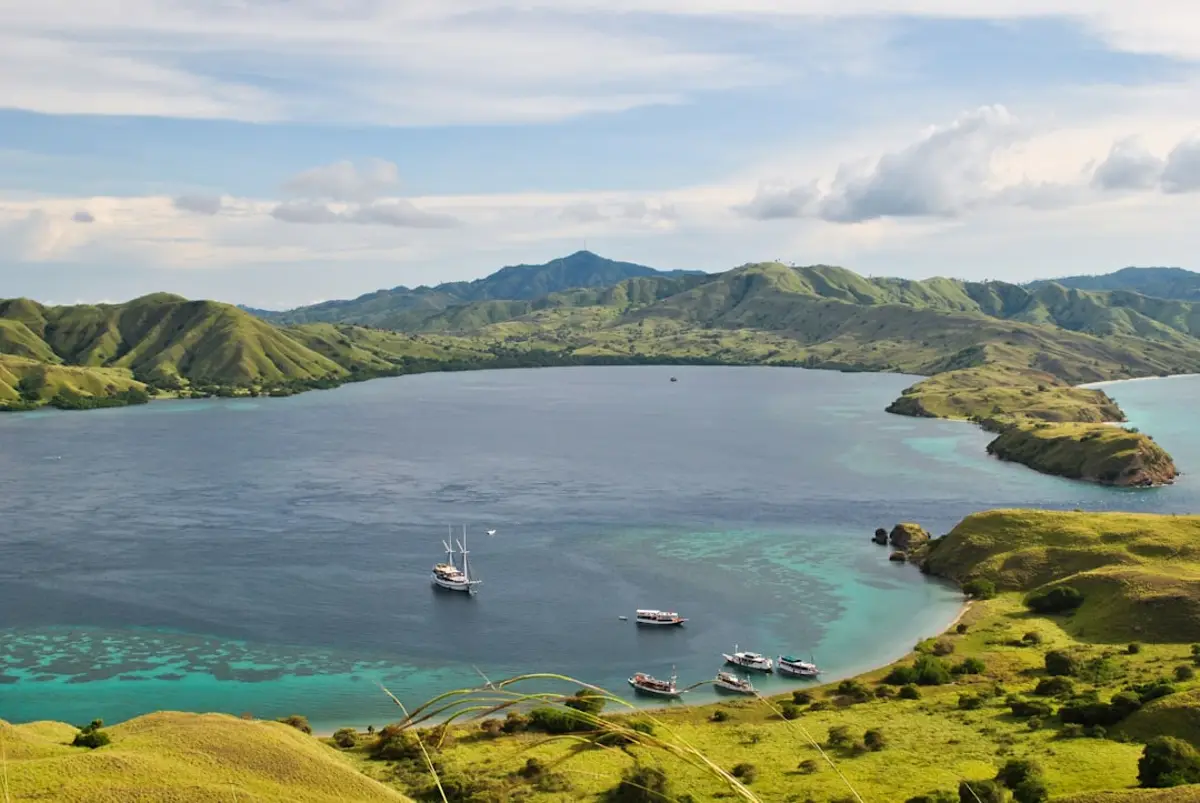
Wakatobi, located within the Coral Triangle, stands as a sanctuary of marine biodiversity and is the third-largest national park in Indonesia. This region is celebrated for its exceptional underwater visibility, which averages around 35 meters, allowing divers to fully immerse themselves in vibrant coral gardens and thriving marine ecosystems. The diverse reef structures, ranging from steep walls to gentle slopes, host a multitude of species, offering a perfect blend of macro and wide-angle photography opportunities. The allure of Wakatobi lies in its pristine conditions and the abundance of marine life, making it an essential destination for those seeking an authentic and immersive diving experience. With water temperatures ranging from 26°C to 30°C, divers can enjoy comfortable conditions year-round, while the varied marine life provides endless exploration possibilities.
The Dive Sites That Define Wakatobi
Wakatobi’s dive sites are legendary within the diving community. Roma features a large bommie adorned with a vibrant garden of hard corals, schooling fish, and resident turtles. Cornucopia offers a steep wall with high coral cover and a bustling reef fish population. For a unique experience, Blade presents narrow knife-edge ridges that create the sensation of flying between underwater blades. The Zoo is famed for its critter-rich macro life, including frogfish and ornate ghost pipefish. Table Coral City showcases extensive Acropora formations, ideal for wide-angle scenes. Fan 38 captivates with its sheer wall and large gorgonian fans. The Tomia House Reef provides 24/7 shore access, with mandarinfish dances at dusk offering a magical macro encounter.
Key Wakatobi Dive Sites
- Roma: Hard corals and turtles.
- The Zoo: Rich macro life.
- Blade: Knife-edge ridges.
What You’ll See Underwater
Wakatobi is a diver’s paradise with its rich macro and wide-angle opportunities. Macro enthusiasts will be thrilled by the presence of pygmy seahorses, frogfish, ghost pipefish, and the elusive mandarinfish. The varied terrain supports a plethora of critters, making it a hotspot for macro photography. For those who favor wide-angle scenes, the vertical walls adorned with large sea fans, common turtles, and schooling fish like fusiliers and snappers provide ample subjects. Although reef sharks, primarily whitetip and blacktip, are present, they are not abundant. Larger species such as Napoleon wrasse and barracuda add to the excitement. Manta rays, while occasional visitors, are not a guaranteed sighting, keeping divers on their toes for a potential encounter.
Marine Life Highlights
- Macro: Pygmy seahorses, mandarinfish.
- Wide-angle: Walls, sea fans, turtles.
- Bigger animals: Reef sharks, barracuda.
Where to Base Yourself: The Four Islands
Each of Wakatobi’s four main islands offers a unique diving experience. Wangi-Wangi, home to Matahora Airport, serves as the primary gateway with options for day-boat diving. Kaledupa and its neighboring Hoga Island offer a more rustic experience, with homestays and boat diving to explore the surrounding reefs. Tomia is the heart of Wakatobi’s diving, hosting the renowned Wakatobi Resort and providing access to many signature dive sites. Binongko, the southernmost island, is less frequented but offers unspoiled reefs for those on select liveaboard itineraries, providing a sense of discovery and solitude.
Island Diving Options
- Wangi-Wangi: Airport access, day-boat diving.
- Kaledupa/Hoga: Homestays and boat diving.
- Tomia: Resort hub, key dive sites.
Choosing a Liveaboard or a Land-Based Package
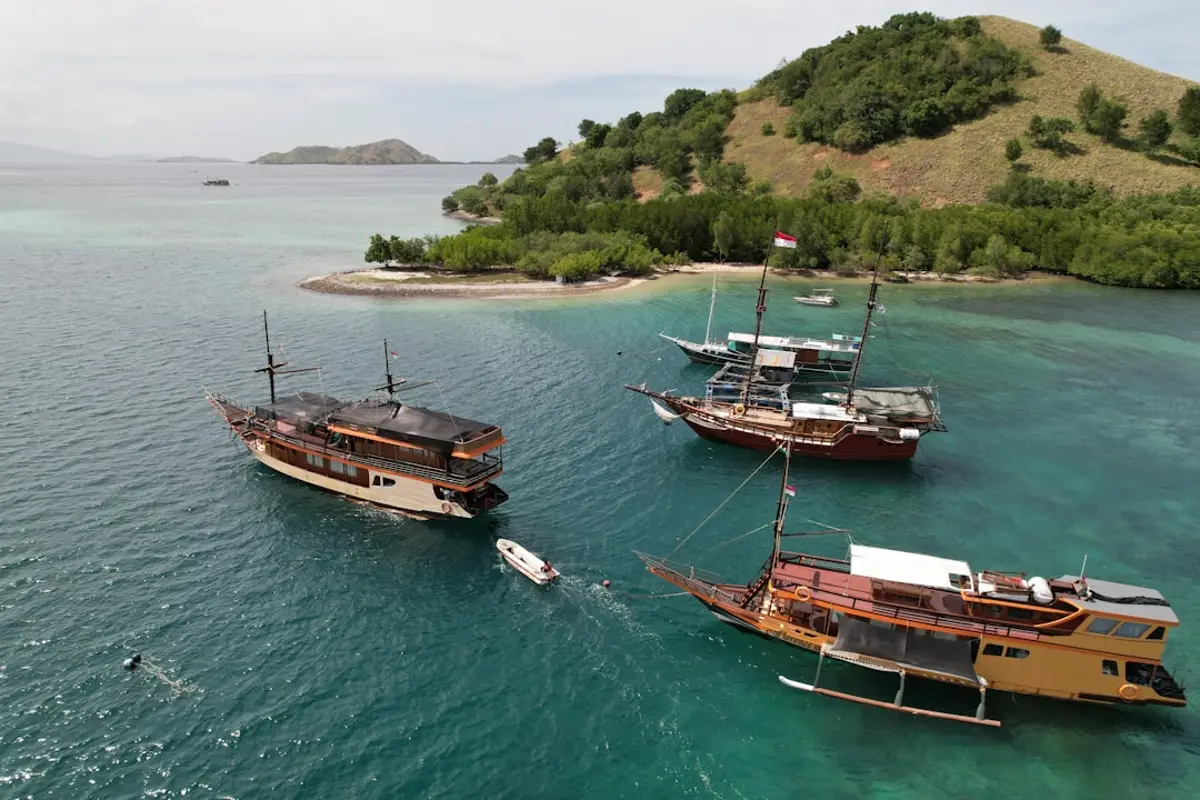
Divers in Wakatobi can choose between the intimate experience of a liveaboard or the comfort of a land-based resort. Liveaboards, such as traditional phinisi vessels, offer the advantage of exploring remote sites and the flexibility of diving multiple islands. These typically range from approximately US$3,000 to US$6,500+ for a 7-night itinerary, subject to confirmation upon inquiry. On the other hand, land-based packages at resorts like Wakatobi Resort on Tomia provide a stable base with access to house reefs and nearby dive sites, typically priced from US$1,800 to US$3,500 for 5-7 nights. The choice depends on personal preference, with liveaboards suiting those seeking adventure and resorts appealing to those who prefer comfort and convenience.
When to Dive: Seasons, Water and Visibility
Diving in Wakatobi is a year-round affair, with each season offering unique conditions. From June to October, easterly winds prevail, while July and August bring cooler temperatures and slight wind increases. Despite these changes, visibility remains excellent, averaging around 35 meters. The wettest months, January and February, see limited rainfall impact on visibility, thanks to the absence of river runoff. Water temperatures range from 26°C to 30°C, with the warmest periods in late October. The transitional months of May and November offer a mix of conditions, making Wakatobi a versatile diving destination with no unsuitable periods.
Seasonal Diving Insights
- Year-round: Always diveable.
- Wet season: Jan-Feb, minimal impact.
- Cooler months: Jul-Aug, slight wind increase.
Getting There Without the Guesswork
Reaching Wakatobi is straightforward with several well-trodden routes. Most divers fly from Bali or Jakarta to Makassar (UPG), then connect to Wangi-Wangi (Matahora WNI) with flight times of 1.5-2 hours to Makassar and 1-1.5 hours onward. Alternatively, one can fly to Bau-Bau and take a ferry, or opt for a private charter flight directly to Tomia from Bali. Despite its remote location, Wakatobi is accessible, with established transfer services ensuring a smooth journey from major Indonesian hubs to this diving paradise.
How We Plan Your Wakatobi Trip
Our bespoke service ensures that your Wakatobi diving adventure is perfectly tailored to your needs. We take into account your diving experience, preferred dates, and budget to match you with the right island or liveaboard. From arranging flights and transfers to securing necessary permits, our team handles all logistics, allowing you to focus on the underwater wonders that await. Let us guide you to the heart of Wakatobi, where each dive promises a new discovery.
For costs in detail, see our Wakatobi dive package pricing and cost guide; to understand the routes and islands first, read our Wakatobi destinations and routes; and when you are ready to hold dates, book your Wakatobi dive package or browse answers to common Wakatobi diving questions.
Plan Your Wakatobi Dive Package
Tell us your dates, certification level and budget, and we will match you to the right island, boat and season — then handle flights, transfers and park permits. Start with our Wakatobi dive packages and itineraries, compare the liveaboards and resort cabins in our fleet, or read the full definitive Wakatobi dive guide.