– Over 750 species of fish.
– Notable species include clownfish, parrotfish, and butterflyfish.
– Ideal diving conditions from April to December.
Introduction to Wakatobi’s Marine Biodiversity
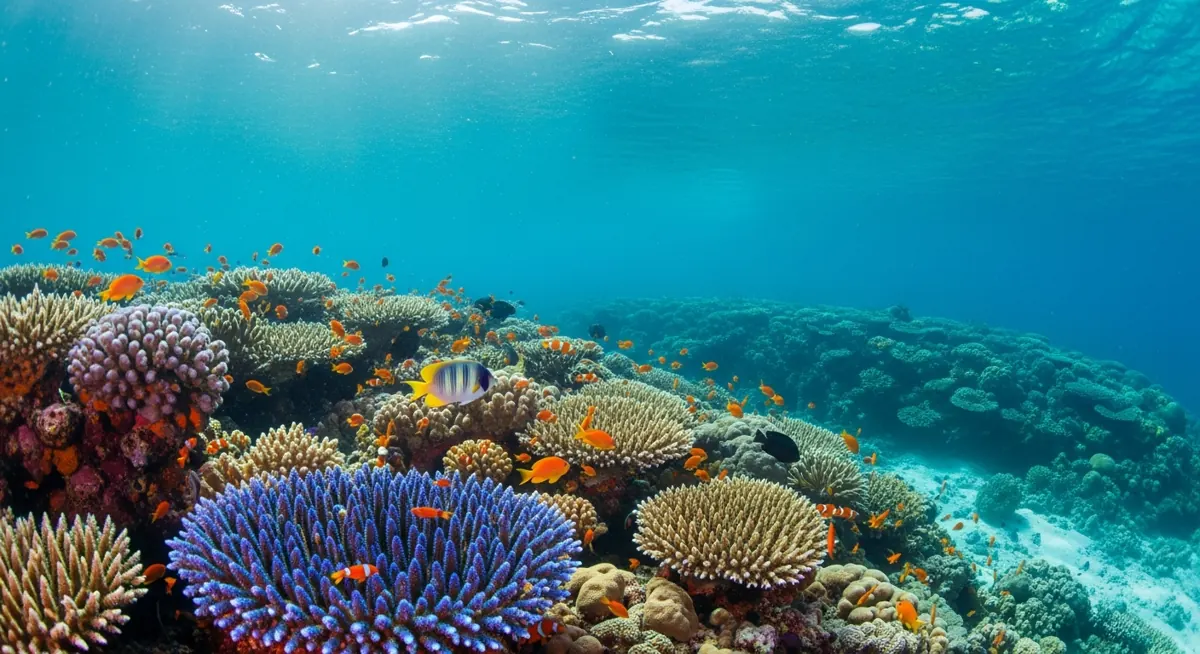
Wakatobi, located in Sulawesi, Indonesia, is a sanctuary for divers and marine enthusiasts. The region offers some of the richest marine biodiversity in the world, featuring vibrant coral reefs and an extensive range of reef fish species. The unique underwater ecosystem of Wakatobi makes it a prime location for divers of all levels, from novices to seasoned professionals.
The Importance of Reef Fish in Ecosystems
Reef fish play a crucial role in maintaining the health of coral reef ecosystems. They contribute to the balance of marine life by controlling algae growth, facilitating nutrient cycling, and serving as prey for larger marine species. Understanding the common reef fish species in Wakatobi can enhance your diving experience and appreciation for marine conservation.
Common Reef Fish Species in Wakatobi
Wakatobi is home to a variety of reef fish species. Below is a list of some of the most commonly encountered species that divers can expect to see:
1. Clownfish (Amphiprioninae)
Clownfish are perhaps the most recognizable reef fish due to their vibrant orange coloration and distinctive white bands. They are typically found in anemones, where they seek protection from predators.
2. Parrotfish (Scaridae)
Parrotfish are known for their beak-like teeth, which they use to scrape algae off coral and rocks. Their vibrant colors and unique shapes make them a favorite among divers. They play a vital role in maintaining healthy coral reefs by controlling algae growth.
3. Butterflyfish (Chaetodontidae)
Butterflyfish are small, brightly colored fish that are often seen in pairs. They feed primarily on coral polyps and are indicators of reef health. Their striking patterns and colors make them a delight to observe while diving.
4. Surgeonfish (Acanthuridae)
Surgeonfish are easily identifiable by their sharp spines located on either side of their tails. These fish are often seen grazing on algae and are known for their vibrant colors and social behavior.
5. Wrasses (Labridae)
Wrasses are a diverse family of fish known for their elongated bodies and vibrant colors. They play important roles as cleaners and often have symbiotic relationships with other species.
6. Snapper (Lutjanidae)
Snappers are often found in schools and are known for their strong bodies and sharp teeth. They are predatory fish that feed on smaller fish and crustaceans, contributing to the balance of the reef ecosystem.
7. Triggerfish (Balistidae)
Triggerfish are characterized by their strong bodies and unique shapes. They are known for their territorial behavior and can be quite aggressive when defending their nests. Their bright colors add to the visual appeal of the reef.
8. Damselfish (Pomacentridae)
Damselfish are small, colorful fish that are often found in large numbers near coral reefs. They are known for their aggressive behavior, especially when nesting, and play a critical role in the ecosystem by protecting their territory.
9. Anemonefish (Amphiprioninae)
Similar to clownfish, anemonefish live in symbiosis with sea anemones. Their vibrant colors and unique swimming behavior make them a favorite among divers.
10. Moorish Idol (Zanclus cornutus)
The Moorish Idol is easily recognizable due to its striking color patterns and elongated dorsal fin. These fish primarily feed on coral and are often seen in pairs or small groups.
Best Diving Seasons in Wakatobi
Wakatobi offers optimal diving conditions throughout the year, but the best time to visit is from April to December. During this period, water temperatures range from 26°C to 30°C (79°F to 86°F), and visibility can reach up to 30 meters (100 feet). Seasonal variations can influence fish behavior and coral spawning, providing unique opportunities for divers.
Sustainable Diving Practices
As a premier diving destination, Wakatobi emphasizes sustainable tourism to protect its delicate marine ecosystems. Divers are encouraged to adhere to best practices, such as avoiding contact with coral, not disturbing marine life, and using reef-safe sunscreen. By practicing responsible diving, visitors can help preserve the rich biodiversity of Wakatobi for future generations.
Exploring Wakatobi’s Underwater World: A Diver’s Paradise
Diving in Wakatobi offers a unique opportunity to observe an incredible array of reef fish species, including the striking parrotfish and the elusive pygmy seahorse. These encounters not only enrich your diving experience but also highlight the importance of marine conservation efforts in the region. Whether you’re witnessing the colorful dance of a clownfish or the graceful glide of a manta ray, each dive reveals a new facet of Wakatobi’s marine life.
For those planning their next dive, comprehensive resources are available in our faq section. Consider exploring our dive package options to maximize your adventure in this underwater haven.
Exploring the Unique Dive Sites of Wakatobi
Wakatobi’s diverse dive sites provide a captivating blend of underwater landscapes, each offering distinct experiences for divers. With water temperatures ranging from 26°C to 30°C and visibility averaging around 35 meters, these sites are accessible year-round, each bringing its own character and marine life to the forefront.
- Roma: Known for its large bommie, Roma is a vibrant site where divers can encounter a garden of hard corals teeming with life. Schooling fish and resident turtles are commonly seen here, making it a favorite for those interested in observing dynamic reef ecosystems.
- The Zoo: This site is a macro photographer’s paradise. With its slope and wall rich in critters, divers can spot frogfish and ornate ghost pipefish among other fascinating species. The Zoo’s biodiversity offers endless opportunities for spotting elusive marine life.
- Cornucopia: Featuring a steep wall with high coral cover, Cornucopia is ideal for witnessing prolific reef fish life. The site’s dramatic drop-offs and vibrant coral gardens provide a stunning backdrop for wide-angle photography.
- Blade: Offering a unique experience, Blade consists of narrow, knife-edge ridges and pinnacles. Divers often describe the sensation as flying between blades, with the potential to see a variety of marine species gliding alongside.
- House Reef (Wakatobi Resort House Reef on Tomia): This site is accessible for shore-entry diving and is renowned for its outstanding macro life. Divers can explore the wall and slope at any time, with the chance to see mandarinfish during dusk dives.
- Mari Mabuk: Located in the Tomia area, Mari Mabuk is famous for its rich coral slopes and schooling reef fish, making it a vibrant and colorful dive spot.
- Teluk Maya (Maya Bay): With its sheltered reef and wall sections, Teluk Maya is suitable for both macro and wide-angle photography, providing a versatile diving experience in varied conditions.
- Table Coral City: Known for its extensive formations of table Acropora corals, this site is perfect for capturing wide-angle scenes of schooling fish against a backdrop of impressive coral structures.
Whether you’re drawn to macro photography or the expansive views of wide-angle reefscapes, Wakatobi’s dive sites cater to a range of interests, each offering a unique glimpse into the vibrant marine life of this Indonesian paradise.