- Customizable trips for divers of all levels
- Focus on sustainable tourism practices
- Competitive pricing with seasonal insights for optimal conditions
The vibrant waters of the Wakatobi archipelago teem with life, a kaleidoscope of colors unfolding beneath the surface. Here, divers find a sanctuary where the sea reveals its secrets in a dance of light and motion.
Understanding the Wakatobi Dive Package
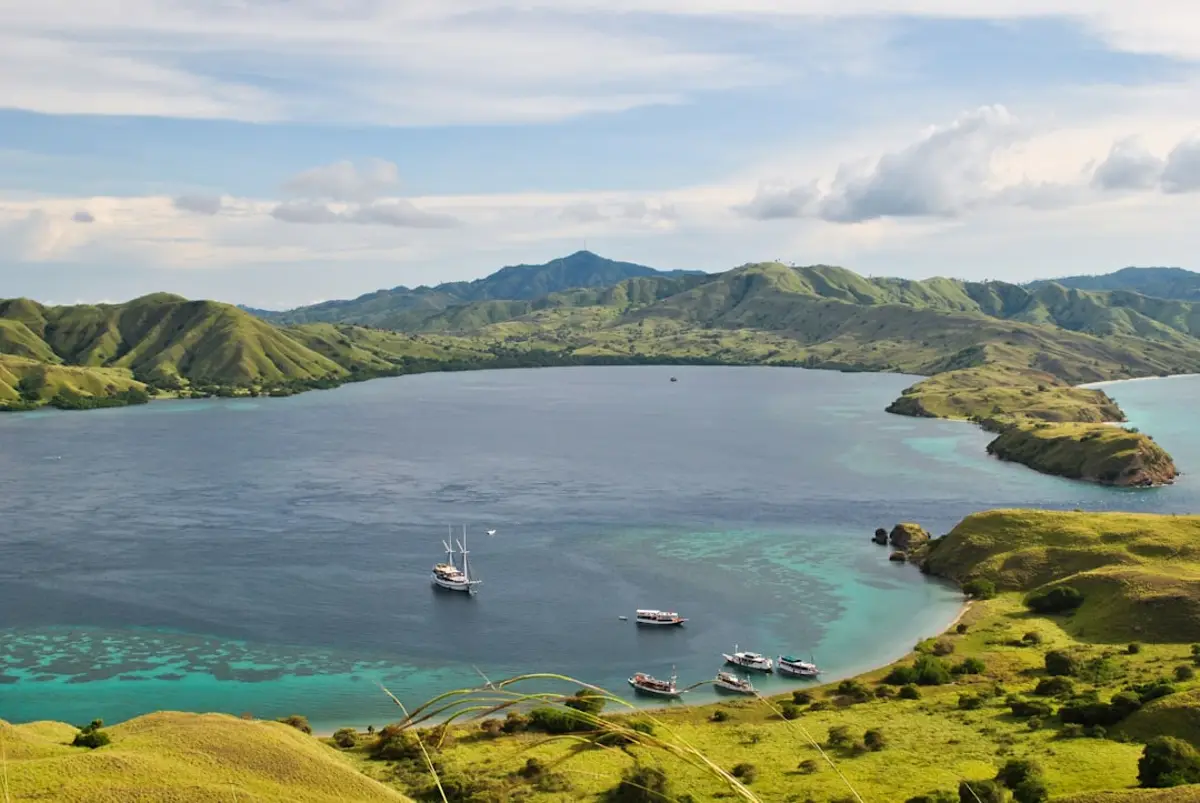
Wakatobi Dive Package is a destination for those seeking to explore the underwater wonders of the Wakatobi archipelago. Positioned in Southeast Sulawesi, Indonesia, the Wakatobi National Park spans over 1.39 million hectares, offering a marine biodiversity comparable to the Great Barrier Reef. This region is home to more than 750 species of coral and 942 species of fish. Travelers can choose from various packages tailored to their diving expertise, from novice to expert, ensuring a personalized experience. The packages emphasize sustainable tourism, aligning with the park’s designation as a UNESCO Marine Biosphere Reserve since 2012.
Choosing the Right Dive Package
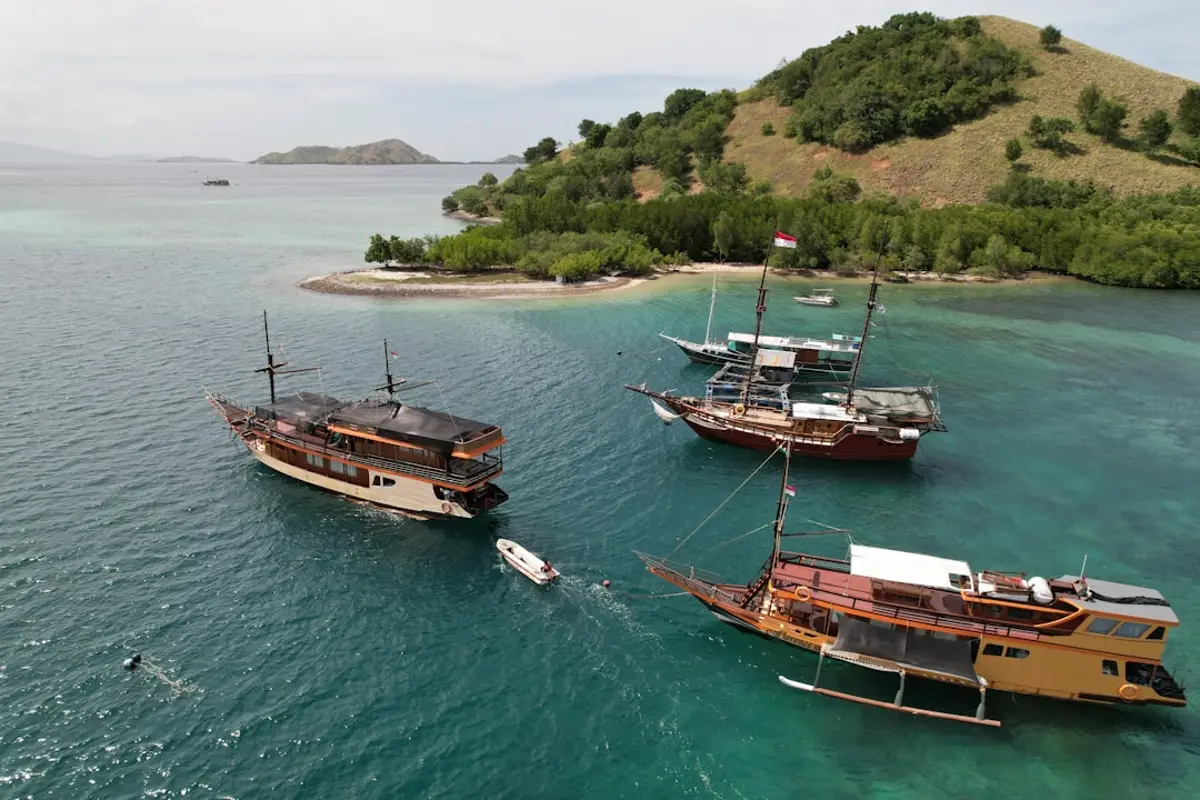
Selecting the perfect Wakatobi Dive Package involves understanding the options available. Packages vary based on diving experience, duration, and specific interests. Novice divers might prefer a guided course with certified instructors, while seasoned divers may opt for a liveaboard experience, allowing them to explore remote dive sites such as Blade and Roma. Prices range from $1,500 for basic packages to over $5,000 for luxury liveaboard experiences. Each package includes accommodations, meals, and professional dive guides to ensure safety and enjoyment.
Seasonal Insights for Optimal Diving Conditions
Diving in Wakatobi is a year-round activity, but understanding seasonal variations can enhance the experience. Peak diving conditions occur from March to December, when visibility can exceed 30 meters and water temperatures hover between 26-30°C. During the rainy season, from January to February, visibility may decrease slightly, but the marine life remains abundant. Timing your visit to coincide with these optimal conditions can make a significant difference in your diving experience.
Safety and Certification Requirements
Safety is paramount when diving in Wakatobi. Divers must hold a minimum of an Open Water Diver certification from recognized bodies such as PADI or SSI. For those without certification, the Wakatobi Dive Package offers courses to obtain these credentials. Emergency protocols are in place, with dive centers equipped with oxygen and first-aid kits, and staff trained in emergency procedures. Divers are advised to have travel insurance that covers diving activities, ensuring peace of mind as they explore the depths.
Sustainable Tourism Practices
Wakatobi Dive Package is committed to preserving the natural beauty of its marine environment. Efforts include partnerships with local communities to promote eco-friendly practices and reduce carbon footprints. The dive operators adhere to strict guidelines to minimize impact on the reefs, such as avoiding contact with coral and maintaining buoyancy control. These practices not only protect the marine ecosystem but also enhance the overall diving experience, providing a pristine environment for future generations.
Liveaboard Experiences
For those seeking extended diving adventures, liveaboard experiences offer a unique way to explore the Wakatobi archipelago. These trips range from 3 to 10 days, providing access to remote dive sites unreachable by day trips. Vessels like the Pelagian offer luxury accommodations with amenities such as air-conditioned cabins, gourmet dining, and spacious decks. Prices for liveaboard packages start around $3,000, including all dives, meals, and transfers. These journeys provide an immersive diving experience, allowing divers to fully engage with the marine environment.
Exploring Dive Sites: Roma, Cornucopia, and More
One of the most celebrated sites is Roma, a large coral bommie off Tomia where schooling fish, resident turtles and dense hard-coral cover come together; nearby, Cornucopia’s steep wall and the knife-edge ridges of Blade round out a world-class cluster of reefs, all within easy reach of the Wakatobi Resort house reef.
Comparing Dive Packages: Liveaboard vs. Resort-Based
Deciding between a liveaboard and a resort-based dive package depends on personal preferences and diving goals. Liveaboard packages provide the advantage of accessing remote sites, offering a more immersive experience with multiple dives per day. The convenience of living aboard allows divers to maximize their time underwater. In contrast, resort-based packages offer a more relaxed approach, with the option to enjoy onshore amenities. This choice is ideal for those who prefer a balance between diving and leisure activities. Both options include professional guides, ensuring a safe and enjoyable experience. To explore the detailed options, visit our Wakatobi Dive Package page.
Local Culture and Island Exploration
While diving is the main attraction, the Wakatobi region offers much more for those interested in local culture and island exploration. The archipelago is home to the Bajo people, known as the sea gypsies, who have adapted to a life connected to the ocean. Visitors can explore the traditional stilted villages and learn about their unique way of life. Additionally, the islands themselves offer striking landscapes, with pristine beaches and lush forests. A popular day trip is a visit to Hoga Island, where travelers can hike, bird-watch, or simply relax on the beach.
Travel Logistics and Getting to Wakatobi
Reaching Wakatobi requires some planning, but the journey is well worth the effort. Most travelers fly into Bali, which serves as the primary gateway to the region. From Bali, guests can take a direct flight to Wakatobi’s private airstrip on Tomia Island, operated by Wakatobi’s own flight service. The flight takes approximately 2.5 hours and is the most convenient way to reach the remote archipelago. Upon arrival, guests are transferred to their accommodations by boat, with travel times varying based on the final destination. For those seeking a seamless travel experience, many dive packages offer comprehensive logistical support, including flights and transfers.
Planning Your Wakatobi Trip
Exploring the Wakatobi archipelago through a Wakatobi Dive Package offers an unparalleled opportunity to witness one of the world’s most diverse marine ecosystems. Whether choosing a guided dive, a liveaboard adventure, or a certification course, the options cater to all levels of diving expertise. For those seeking to experience the wonders of Wakatobi, visit our homepage to learn more about our offerings and plan your next diving adventure. For more information on Indonesia’s vast tourism opportunities, explore the official Indonesian tourism website.