Wakatobi is a single, connected reef system spread across four islands off south-eastern Sulawesi. Where you base yourself shapes which sites you dive and how you travel — here is how we map a route to your dates, certification and the kind of diving you want.
Wakatobi’s Diving Map: Four Islands, One Reef System
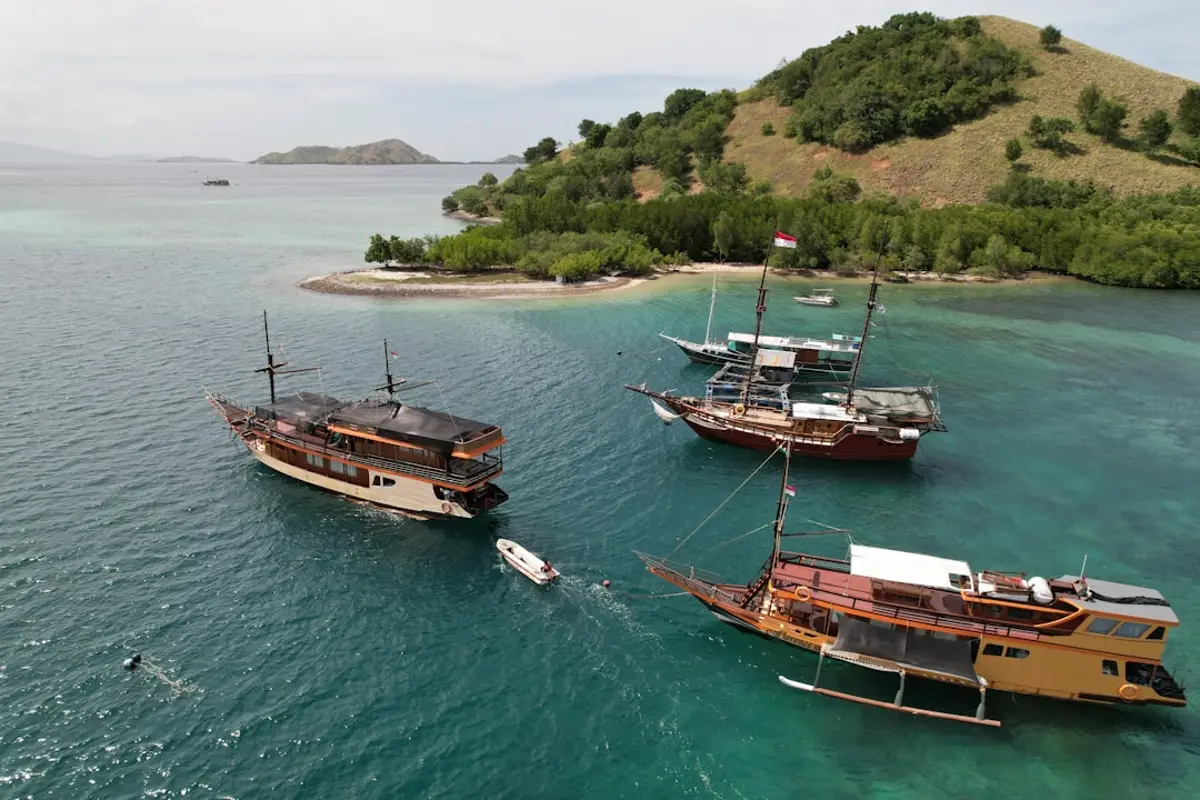
Wakatobi is a renowned diving destination located in Southeast Sulawesi, Indonesia, comprising four main islands: Wangi-Wangi, Kaledupa, Tomia, and Binongko. Each island offers unique diving experiences, yet they are all part of a single, extensive reef system. This interconnectedness allows divers to explore a variety of marine environments, from vibrant coral gardens to steep walls teeming with marine life. The islands provide a range of accommodation options, from luxury resorts to homestays, making Wakatobi accessible to divers with different preferences and budgets. The region is celebrated for its biodiversity, offering both macro and wide-angle photography opportunities, and is accessible year-round.
Wangi-Wangi: Your Arrival Island
Wangi-Wangi, often referred to as Wanci, is the northernmost island of the Wakatobi archipelago and serves as the primary entry point for divers. The island is home to Matahora Airport (WNI), which connects Wakatobi to major Indonesian hubs like Bali and Makassar. This makes Wangi-Wangi a convenient starting point for diving adventures in the region. Divers can engage in local day-boat diving, exploring nearby sites such as Sombu, or transfer to other islands for more extensive diving experiences. The island offers a mix of local culture and natural beauty, making it an intriguing stop for visitors.
Tomia: The Dive Heart of Wakatobi
Tomia is widely regarded as the dive heart of Wakatobi, hosting the renowned Wakatobi Resort and providing access to several signature dive sites. Among these are Roma, known for its large bommie and vibrant coral gardens; Cornucopia, featuring a steep wall with abundant coral cover; and Blade, famous for its knife-edge ridges and pinnacles. Tomia’s House Reef is accessible 24/7 and offers outstanding macro photography opportunities, including the chance to see mandarinfish at dusk. The island serves as a major dive hub, attracting enthusiasts from around the world who seek to explore its rich marine biodiversity.
Kaledupa and Hoga: Homestay Diving
Kaledupa, located south of Wangi-Wangi, offers a more tranquil diving experience, often centered around nearby Hoga Island. Divers typically stay in local homestays and access the surrounding reefs by small boat. This area is known for its quieter reefs, providing a more intimate and relaxed diving atmosphere. The reefs around Kaledupa and Hoga are renowned for their healthy coral formations and diverse marine life, making them ideal for divers seeking a more laid-back and less crowded diving experience. The combination of cultural immersion and natural beauty makes this area a unique diving destination.
Binongko: The Remote South
Binongko, the southernmost island of the Wakatobi archipelago, is the least frequently dived, offering a more remote and adventurous experience. It is often visited by liveaboards and expedition groups seeking less-crowded reefs and pristine marine environments. The island’s reefs are known for their vibrant coral gardens and diverse marine life, providing a unique opportunity for exploration away from the more popular sites. Binongko’s remoteness ensures that its reefs remain largely untouched, offering divers a glimpse into the unspoiled beauty of Wakatobi’s marine ecosystem.
How Routes and Transfers Work
Accessing Wakatobi involves a well-coordinated series of transfers. Most divers begin their journey from Bali or Jakarta, flying to Makassar (UPG) before taking a connecting flight to Wangi-Wangi’s Matahora Airport (WNI). Alternatively, travelers can reach Wakatobi via a ferry from Bau-Bau or opt for a private charter flight directly to Tomia. Once in Wakatobi, transfers between islands are typically conducted by car and boat, ensuring seamless movement across the archipelago. These routes are designed to maximize convenience and provide divers with easy access to the diverse and vibrant underwater landscapes of Wakatobi.
Choosing Your Wakatobi Base by Diving Style
Wakatobi offers diverse diving experiences that cater to different photography and exploration styles. Whether you’re a macro enthusiast, a wide-angle photographer, or enjoy a mix of both, choosing the right base can enhance your diving adventure.
- Tomia: Ideal for mixed divers, Tomia is known for sites like Roma and Mari Mabuk, featuring rich coral gardens and schooling fish. The House Reef offers 24/7 access to macro treasures like mandarinfish and pygmy seahorses, making it perfect for both macro and wide-angle photography. The easterly winds from June to October provide stable conditions, while the wettest months, January and February, have minimal impact on visibility.
- Wangi-Wangi: Macro divers will find their haven here, with sites like The Zoo renowned for critter-rich environments. Frogfish, ghost pipefish, and nudibranchs abound, offering endless macro and super-macro opportunities. The transitional months of May and November offer ideal conditions, with water temperatures ranging from 26-30°C and visibility between 20-50 meters.
- Kaledupa-Hoga: Wide-angle enthusiasts will appreciate the extensive coral formations at Table Coral City and the dramatic walls of Cornucopia. The knife-edge ridges of Blade provide a thrilling experience akin to flying. The best diving occurs from March to December, with the busiest periods around April/May and September/November. Although July and August can be windier, visibility remains good.
Overall, Wakatobi’s diverse marine life and year-round diveability offer something for every diver. Each island base has its unique appeal, ensuring that your diving style is perfectly matched to the underwater wonders awaiting exploration.
Practical tips for your Wakatobi route
Build in a buffer day on arrival: domestic legs through Makassar (UPG) to Wangi-Wangi (Matahora, WNI) can shift by a few hours, and a relaxed first night means you start diving rested rather than rushed. If your priority is the Tomia signature sites and the 24/7 house reef, base on Tomia and plan a week to dive Roma, Cornucopia, Blade and Table Coral City at an unhurried pace. Divers chasing macro should weight their schedule toward dusk house-reef dives for mandarinfish, while wide-angle shooters benefit from the calmer easterly months of June to October when the walls and sea fans show best. Whichever islands you choose, we pre-arrange transfers, park permits and boat timings so your only decision underwater is which reef to photograph first.