- Distance from Bali: Approximately 1,600 kilometers
- Closest major city: Kendari, Sulawesi
- Best time to dive: March to December
Wakatobi, an abbreviation for Wangi Wangi, Kaledupa, Tomia, and Binongko, is a remote archipelago situated in Southeast Sulawesi, Indonesia. This area is often regarded as one of the world’s premier diving destinations, falling within the Coral Triangle, which is recognized for its extraordinary marine biodiversity. The archipelago offers vibrant coral reefs and an abundance of marine life, making it an ideal location for divers of all skill levels.
Geographical Overview of Wakatobi
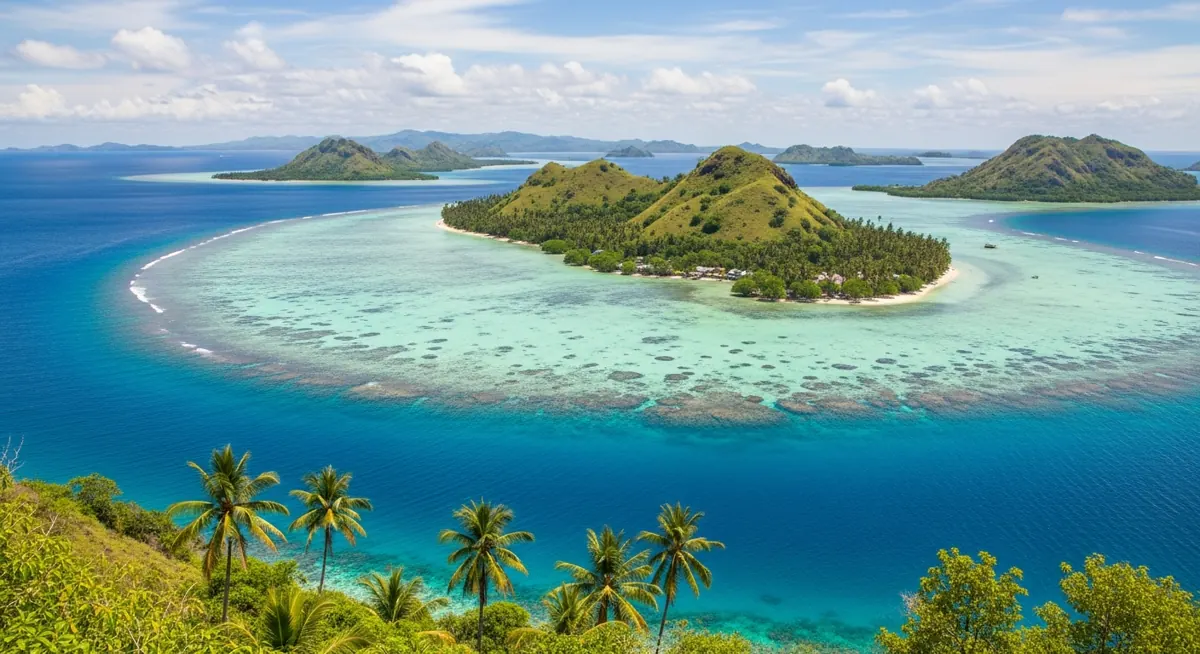
Wakatobi is part of the Wakatobi National Park, which spans over 1.4 million hectares of marine area. The four main islands that make up the Wakatobi archipelago are:
- Wangi Wangi: The largest island and the main entry point for visitors, known for its beaches and dive sites.
- Kaledupa: Features beautiful coral gardens and a rich cultural heritage.
- Tomia: Offers some of the best dive sites, including renowned wall dives.
- Binongko: Known for its pristine dive spots and local crafts.
The archipelago is located approximately 1,600 kilometers from Bali, making it relatively remote but accessible for those seeking exceptional diving experiences. The closest major city is Kendari, which serves as a gateway to the islands.
How to Get to Wakatobi
Traveling to Wakatobi requires some planning, as it is not directly accessible by international flights. Below are the steps to reach this diving sanctuary:
1. Fly to Kendari
The primary step in your journey is to travel to Kendari, the capital of Southeast Sulawesi. There are several domestic flights available from major Indonesian cities:
- Bali (Denpasar): Approximately 1.5-hour flight.
- Jakarta: Approximately 2.5-hour flight.
- Makassar: Approximately 1-hour flight.
Airlines like Garuda Indonesia, Lion Air, and Citilink frequently operate these routes. It is advisable to book your flight in advance, especially during peak seasons.
2. Transfer from Kendari to Wakatobi
Once you arrive in Kendari, you have two primary options to reach Wakatobi:
- Domestic Flight: The quickest way is to take a domestic flight from Kendari to Wangi Wangi. Several local airlines operate this route, and the flight usually takes around 30-45 minutes.
- Boat Transfer: For those who prefer a scenic route, you can take a ferry from Kendari to Wangi Wangi. This option may take about 12-14 hours, depending on the sea conditions, but it provides a unique opportunity to enjoy the striking landscapes of the surrounding waters.
After arriving at Wangi Wangi, you can easily access the other islands in the Wakatobi archipelago via local boat services or arranged transfers provided by dive resorts.
3. Choose the Right Dive Package
Wakatobi Dive Package offers curated diving experiences tailored to your skill level, from novice divers to seasoned professionals. You can opt for:
- Liveaboard Experiences: Enjoy diving with all-inclusive packages that cover meals, accommodations, and dive excursions.
- Resort Stays: Stay at luxury resorts that provide easy access to some of the best dive sites in the area.
- Custom Packages: Tailor your dive experience according to your preferences, including special requests for guided dives or private excursions.
For more details on rates and availability, see current rates.
Best Time to Visit Wakatobi
The best time to dive in Wakatobi is between March and December, when underwater visibility is at its peak, and marine life is most abundant. The period from July to October tends to have the most favorable conditions for diving. During this time, divers can expect:
- Water temperatures ranging from 26°C to 30°C.
- Visibility reaching up to 30 meters.
- A chance to see seasonal marine life, including pelagics and spawning events.
It is essential to check for any seasonal variations that may affect diving conditions, such as wind or current patterns, and to plan your trip accordingly.
Legal Considerations
Wakatobi National Park is a protected area, and visitors are required to follow specific regulations to promote sustainable tourism and protect the fragile marine ecosystem. Divers must:
- Use eco-friendly diving practices, including avoiding contact with coral and marine life.
- Follow local guidelines and restrictions regarding fishing and marine activities.
- Respect the cultural heritage of local communities and engage with them responsibly.
By adhering to these practices, you contribute to the preservation of Wakatobi’s unique environment for future generations to enjoy.
Travel Tips for Reaching Wakatobi, Indonesia
Traveling to Wakatobi involves a flight to Makassar, followed by a connecting flight to Wangi-Wangi Island. From there, local transfers via boat or small aircraft will bring you to your final destination. This journey is rewarded with stunning diving spots teeming with marine life. Always check local transportation schedules, as they can vary. For planning specifics, see booking details or about.
Exploring Wakatobi’s Diverse Dive Sites
Wakatobi’s underwater realm offers a variety of dive experiences, each site providing unique encounters and photographic opportunities. Among the most celebrated locations is Roma, a large bommie renowned for its dense garden of hard corals. Here, divers can witness schooling fish and resident turtles, making it a prime spot for wide-angle photography. The intricate coral formations and vibrant marine life create a mesmerizing underwater landscape.
For those interested in macro photography, The Zoo is a must-visit. This slope and wall site is famous for its critter-rich environment, where frogfish and ornate ghost pipefish are frequent sightings. The diversity of small marine creatures here offers endless opportunities for capturing detailed macro shots.
Blade presents a different kind of adventure with its narrow knife-edge ridges and pinnacles. The sensation of gliding between these “blades” is akin to flying, providing a thrilling experience for divers. This site is ideal for both wide-angle enthusiasts and those seeking an adrenaline rush.
Another notable site is Cornucopia, known for its steep wall with high coral cover and abundant reef fish life. The vibrant coral and bustling fish activity make it a favorite for photographers aiming to capture the essence of a thriving reef ecosystem.
At House Reef, located at Wakatobi Resort on Tomia, divers have the luxury of 24/7 access to a shore-entry wall and slope. This site is particularly popular for its outstanding macro opportunities, with mandarinfish sightings at dusk being a highlight. The convenience and richness of the House Reef make it an essential part of any Wakatobi diving itinerary.
For those seeking varied conditions, Teluk Maya (Maya Bay) offers sheltered reef and wall sections suitable for both macro and wide-angle photography. Its versatility allows divers to enjoy a range of marine life and underwater landscapes.
Each of these sites contributes to Wakatobi’s reputation as a premier diving destination, offering a balanced mix of macro and wide-angle photography opportunities, supported by the area’s exceptional coral cover and diverse marine life.