- Plan your visit during the dry season (April to November) for optimal diving conditions.
- Invest in a liveaboard package for access to remote dive sites.
- Practice sustainable diving to protect Wakatobi’s rich marine biodiversity.
Understanding Wakatobi’s Dive Environment
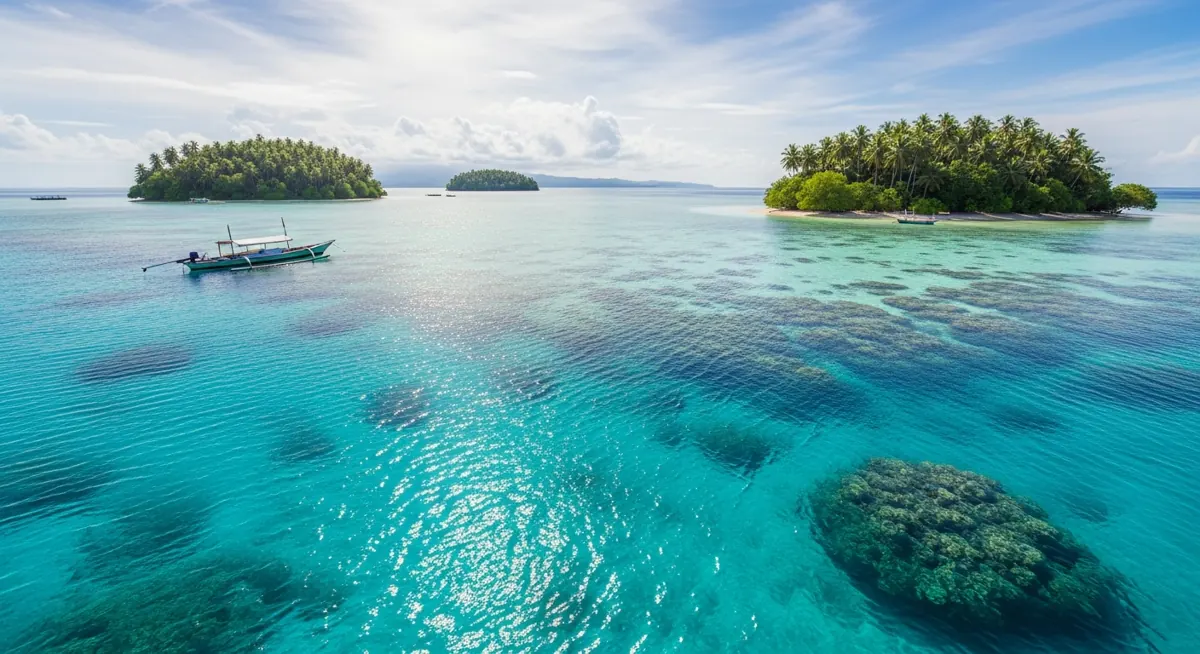
Wakatobi, located in the southeastern part of Sulawesi, Indonesia, is renowned for its unique marine biodiversity and vibrant coral reefs. As a diver, understanding the local environment is critical for maximizing your dive experience. Wakatobi is home to over 750 species of coral and 1,000 species of fish, making it one of the most biodiverse marine areas in the world.
Best Time to Visit
The ideal time to visit Wakatobi for diving is during the dry season, which typically runs from April to November. During this period, water temperatures average between 26°C to 30°C (79°F to 86°F), and visibility often exceeds 30 meters (98 feet). However, it’s important to note that diving is possible year-round, with the wet season offering fewer crowds but increased rainfall.
Seasons and Weather
- Dry Season (April to November): Best for diving; calm seas and clear visibility.
- Wet Season (December to March): Possible to dive, but expect more rain and potential rough seas.
Choosing Your Dive Package
Wakatobi Dive Package offers various options tailored for divers of all skill levels. Consider the following when selecting your package:
– Liveaboard Experiences: These packages provide access to remote dive sites and often include meals and accommodations onboard. Prices range from $1,500 to $3,000 for a week-long trip, depending on the luxury level.
– Resort Packages: If you prefer staying on land, resorts in Wakatobi offer dive packages that include daily dives and accommodation. Expect costs between $1,200 to $2,500 for a week.
– Custom Itineraries: For divers with specific needs or preferences, Wakatobi Dive Package can arrange tailored experiences, including guided dives and specialized training.
What to Pack for Diving in Wakatobi
Packing the right gear is vital for a rewarding diving experience. Here’s a checklist of essential items to consider:
- Diving Equipment: Bring your wetsuit, mask, fins, and snorkel. While rental options are available, personal gear often provides better fit and comfort.
- Safety Gear: A dive computer, buoyancy control device (BCD), and dive knife are essential for safety.
- Personal Items: Sunscreen (reef-safe), a waterproof camera, and a first-aid kit for emergencies.
- Travel Essentials: A good book, travel insurance, and a power adapter for your electronics.
Health and Safety Considerations
Before diving in Wakatobi, it’s important to be aware of health and safety considerations:
– Diving Certification: Ensure you have the appropriate certification (PADI, SSI, etc.) for the type of diving you plan to do.
– Medical Check: If you have pre-existing conditions, consult with a healthcare provider before your trip.
– Travel Insurance: Purchase insurance that covers diving activities to protect against unforeseen circumstances.
Diving Practices
Emphasizing sustainable diving practices is crucial. Here are some ways to dive responsibly:
- Practice Buoyancy Control: Prevent damage to coral reefs by maintaining proper buoyancy.
- Avoid Touching Marine Life: Respect the ecosystem; do not touch or disturb marine creatures.
- Participate in Conservation Efforts: Join local beach clean-ups or support eco-friendly businesses.
Connecting with Local Culture
Wakatobi isn’t just about diving; it’s also an opportunity to settle in in the local culture. The region is home to various ethnic groups, mainly the Bajo people, known as the “sea nomads.” Engage with local communities by participating in cultural tours or visiting traditional markets. This not only enriches your experience but also supports sustainable tourism.
Transportation and Logistics
Getting to Wakatobi requires some planning. Most travelers fly into Bali or Jakarta before taking a domestic flight to Wangi-Wangi, the main island in the Wakatobi archipelago. From there, local transport options include:
– Speedboats: Available for transfers to various dive resorts and liveaboards.
– Resort Shuttles: Many resorts provide transportation from the airport, making your arrival seamless.
Budgeting for Your Trip
While Wakatobi offers luxurious experiences, budgeting is essential for a fulfilling trip. Here’s a rough breakdown of expected costs:
- Diving Packages: $1,200 to $3,000 depending on the type of accommodation and number of dives.
- Food and Drink: Expect to spend around $10 to $30 per day, depending on whether you dine at local eateries or upscale restaurants.
- Miscellaneous Expenses: Factor in costs for souvenirs, additional excursions, and gratuities. Plan for an extra $100 to $300 as a buffer.
Maximizing Your Dive Experience in Wakatobi
To fully enjoy the vibrant underwater scenery, consider hiring a local dive guide who can offer insights into the best spots and marine life. Their expertise not only enhances your diving experience but also supports the local economy. For more information about current rates and package options, see current rates.
Planning specifics? See booking details or booking details.
Exploring Wakatobi’s Signature Dive Sites
Wakatobi’s dive sites offer an unparalleled variety of underwater experiences, each with its unique features. Whether you’re a macro photography enthusiast or a wide-angle aficionado, these sites cater to diverse diving preferences. Here are some of the must-visit spots:
- Roma: Known for its large bommie, this site is a vibrant garden of hard corals, teeming with schooling fish and resident turtles. Divers can explore depths ranging from 5 to 30 meters, with visibility often reaching up to 35 meters.
- The Zoo: Ideal for macro lovers, this slope and wall dive is rich with critters such as frogfish and ornate ghost pipefish. The site offers excellent conditions for macro photography, with depths extending to 25 meters.
- Cornucopia: Featuring a steep wall with abundant coral cover, this site is bustling with reef fish life. Divers typically explore between 10 to 40 meters, enjoying clear waters with visibility up to 50 meters.
- Blade: For those seeking an exhilarating dive, Blade offers narrow knife-edge ridges and pinnacles, creating a sensation of flying between “blades.” This site is suitable for divers comfortable with depths of 15 to 40 meters.
- House Reef (Wakatobi Resort House Reef on Tomia): Accessible 24/7, this shore-entry site is perfect for both novice and experienced divers. It features a wall and slope with outstanding macro opportunities, including mandarinfish at dusk.
- Mari Mabuk: Located in the Tomia area, this reef site is renowned for its rich coral slopes and schooling reef fish, providing a vibrant underwater scene for divers exploring depths up to 30 meters.
- Teluk Maya (Maya Bay): With its sheltered reef and wall sections, this bay offers diverse conditions suitable for both macro and wide-angle photography. Divers can enjoy depths ranging from 5 to 25 meters.
- Table Coral City: Known for its extensive table Acropora formations, this site is ideal for capturing wide-angle scenes with schooling fish. Diving here typically ranges from 10 to 30 meters in depth.
These sites are accessible from various islands like Tomia, which serves as a major dive hub, and offer year-round diving opportunities with water temperatures between 26-30°C and visibility averaging around 35 meters. Whether you’re exploring the vibrant reefs of Roma or the critter-rich slopes of The Zoo, Wakatobi promises an unforgettable diving experience.