– Book a flight from Bali to Makassar (Ujung Pandang).
– Transfer to a domestic flight from Makassar to Wakatobi.
– Arrive at Wakatobi and start your diving adventure.
Step 1: Fly from Bali to Makassar
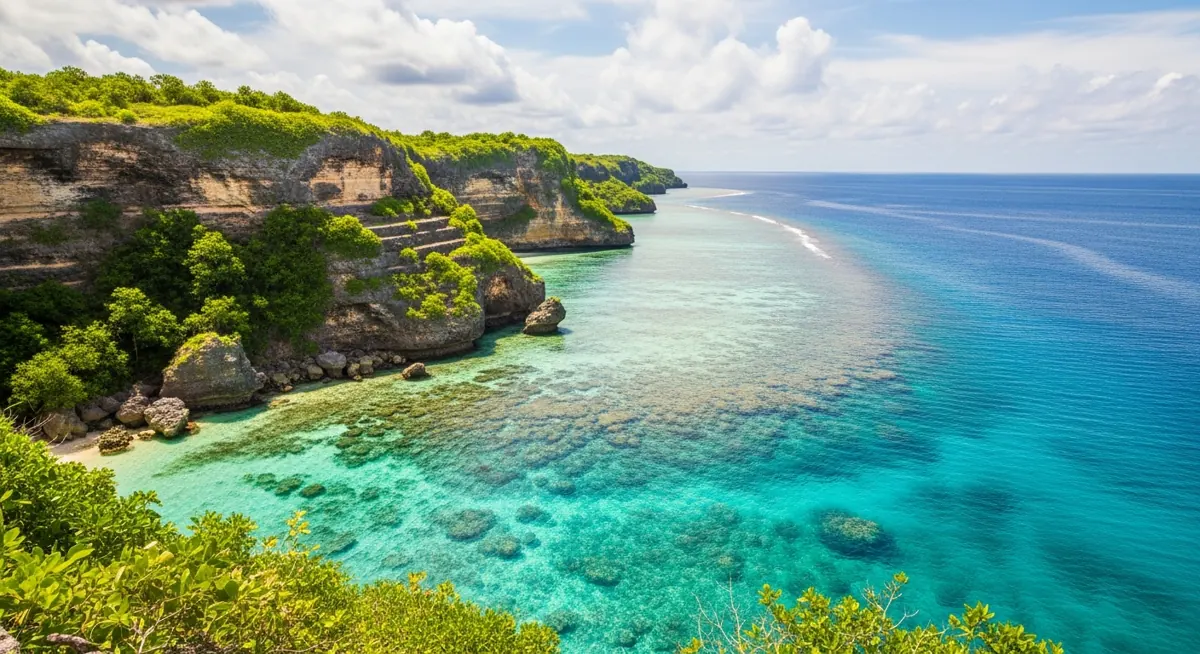
Your journey to Wakatobi begins with a flight from Ngurah Rai International Airport (DPS) in Bali to Sultan Hasanuddin International Airport (UPG) in Makassar. The flight is typically around 1.5 to 2 hours long.
- Airlines: Garuda Indonesia, Lion Air, and Citilink are some of the airlines that operate this route.
- Cost: Prices generally range from $30 to $100, depending on how early you book and the season.
- Frequency: Flights are available multiple times a day, but check schedules in advance, especially during peak travel seasons.
Step 2: Transfer to a Domestic Flight to Wakatobi
Once you arrive at Makassar, the next step is to catch a domestic flight to Wakatobi. The main airport serving Wakatobi is Matahora Airport (WAK), located on the island of Wangi-Wangi.
- Airlines: Wings Air operates flights from Makassar to Wakatobi. It’s advisable to book this flight in advance due to limited seating.
- Duration: The flight takes about 1.5 hours.
- Cost: Expect to pay between $80 and $150 for this leg of the trip.
Step 3: Arrive at Wakatobi
Upon arrival at Matahora Airport, you’ll find yourself on the doorstep of the Wakatobi archipelago. This is where your diving adventure truly begins.
- Transportation: Arrange for a pickup through your dive package provider or local accommodations. Many dive resorts offer shuttle services.
- Accommodation: Options include luxurious dive resorts and budget-friendly homestays, catering to divers of all levels.
- Activities: Take a moment to acclimatize and explore the local area, which offers beautiful beaches and a unique cultural experience.
Travel Tips for Your Journey to Wakatobi
Here are some important tips to ensure a smooth journey:
- Book in Advance: Flights between Bali and Wakatobi can fill up quickly, especially during peak diving seasons (April to October). Book your flights and accommodations as early as possible.
- Check Weather Conditions: The best time for diving in Wakatobi is during the dry season, from April to October. However, it’s always good to check local weather forecasts.
- Travel Insurance: It’s advisable to have travel insurance that covers diving activities, as well as any travel-related disruptions.
Understanding the Local Environment
Wakatobi is part of the Coral Triangle, known for its rich biodiversity. The area features over 750 species of coral and 1,500 species of fish. Here are some essential facts about the region:
- Marine Life: Expect encounters with manta rays, sea turtles, and vibrant reef fish.
- Coral Reefs: The reefs are mostly healthy and provide excellent diving conditions.
- Conservation Efforts: Many dive operators in the area focus on sustainable tourism practices to protect marine ecosystems.
What to Expect in Wakatobi
Once you arrive, you’ll notice the commitment to preserving the natural beauty of the area. Dive packages often include:
- Guided Dive Trips: Tailored to suit your skill level, from novice to expert.
- Luxury Accommodations: Many resorts provide high-quality amenities and services.
- Local Culture: Opportunities to engage with the local communities and learn about their traditions.
Frequently Asked Questions
For any specific questions about traveling to Wakatobi, including visa requirements and dive certifications, check out our FAQ section.
Seamless Travel Tips for Bali to Wakatobi
When preparing for your diving journey from Bali to Wakatobi, consider booking your flights early to secure the best times and prices. The trip typically involves a flight to Makassar, followed by a connecting flight to Wangi-Wangi. From there, a boat or additional flight takes you to your final destination. This multi-leg journey is well worth the effort, as the pristine waters and vibrant marine life promise an unforgettable diving experience.
For more details on planning your trip, visit Wakatobi Dive Package or check the booking details.
Exploring the Underwater Wonders of Wakatobi
Wakatobi is a diver’s paradise, renowned for its diverse marine life and exceptional underwater photography opportunities. With water temperatures ranging from 26-30°C and visibility averaging around 35 meters, divers can experience a vibrant marine ecosystem year-round. Here, we highlight some of the key dive sites and what makes them special.
- Roma: A large bommie adorned with a dense garden of hard corals, Roma is a must-visit for those keen on observing schooling fish and resident turtles. The site offers a spectacular backdrop for both macro and wide-angle photography.
- The Zoo: Famous for its critter-rich macro life, The Zoo features a slope and wall where divers can encounter frogfish, ornate ghost pipefish, and a variety of other small, cryptic creatures. This site is ideal for macro enthusiasts.
- Cornucopia: Known for its steep wall and very high coral cover, Cornucopia teems with prolific reef fish life, making it perfect for wide-angle shots that capture the sheer abundance of marine life.
- Blade: Unique for its narrow knife-edge ridges and pinnacles, Blade provides a thrilling experience akin to flying between “blades.” The site’s dramatic topography is a favorite among photographers seeking dynamic underwater landscapes.
- House Reef (Wakatobi Resort House Reef on Tomia): With 24/7 access, this shore-entry site boasts outstanding macro opportunities, including mandarinfish sightings at dusk. The wall and slope offer a rich variety of marine life, making it a versatile site for all types of divers.
- Mari Mabuk: Located in the Tomia area, Mari Mabuk is celebrated for its rich coral slopes and schooling reef fish, providing ample opportunities for both macro and wide-angle photography.
- Teluk Maya (Maya Bay): This sheltered bay features reef and wall sections that cater to varied conditions, offering both macro and wide-angle photographic prospects.
- Table Coral City: Known for its extensive table Acropora formations, this site is ideal for capturing wide-angle scenes filled with schooling fish and vibrant coral structures.
Whether you’re a macro enthusiast or a wide-angle aficionado, Wakatobi offers a balanced mix of photographic opportunities. With its intact coral reefs, diverse marine life, and clear waters, it remains one of the world’s premier diving destinations.