- Best diving months: April to November.
- Average water temperature: 26°C to 30°C.
- Annual rainfall: 1,500mm, peaking from December to March.
Understanding Wakatobi Weather for Diving
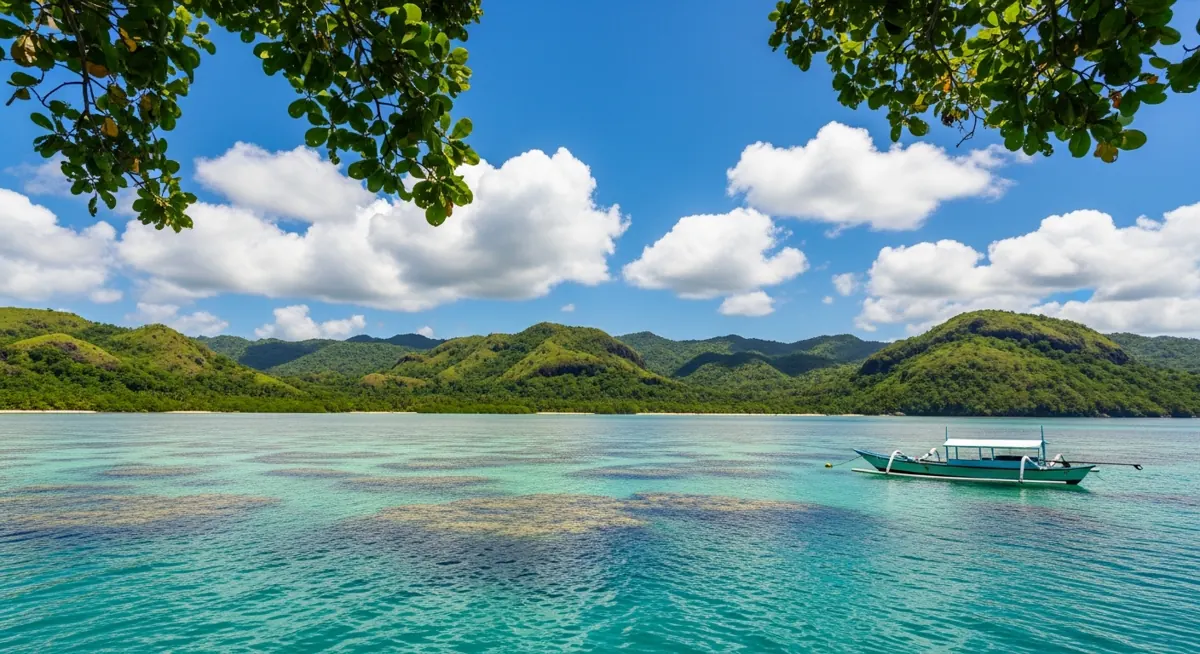
Wakatobi, located in Sulawesi, Indonesia, is renowned for its rich marine biodiversity and vibrant coral reefs. To plan a successful dive trip, one must consider the region’s weather and climate, which significantly influence diving conditions.
Climate Overview
Wakatobi’s climate is tropical, characterized by high humidity and consistent temperatures throughout the year. The region experiences two primary seasons: the dry season and the wet season.
Dry Season
The dry season spans from April to November. During this period, Wakatobi enjoys minimal rainfall and abundant sunshine, creating ideal conditions for diving.
– Temperature: Daytime temperatures range from 30°C to 34°C, while nighttime temperatures drop to around 24°C.
– Humidity: Humidity levels are relatively high but often feel comfortable due to the ocean breeze.
– Visibility: Underwater visibility can reach up to 30 meters, allowing divers to fully appreciate the vibrant marine life and coral formations.
Wet Season
The wet season lasts from December to March, with increased rainfall and occasional storms. This period sees higher humidity and slightly lower temperatures.
– Temperature: Average daytime temperatures are around 28°C to 32°C, with nighttime temperatures dropping to about 23°C.
– Rainfall: The region receives approximately 1,500mm of rain annually, with December and January being the wettest months.
– Visibility: Visibility might be reduced during heavy rains, averaging around 10 to 20 meters.
Best Time for Diving in Wakatobi
For optimal diving experiences, the best months to plan your trip are between April and November. During this time frame, the weather is generally stable, and divers can enjoy excellent visibility and calm seas. Here’s a month-by-month breakdown:
April to June
– Conditions: Mild temperatures, low humidity, and clear skies.
– Diving Experience: Great visibility and vibrant marine life, perfect for both novice and experienced divers.
July to September
– Conditions: Peak diving season with warm water temperatures averaging 28°C to 30°C.
– Diving Experience: Excellent for underwater photography due to the clear waters and abundant marine life.
October to November
– Conditions: Transition period before the wet season; still offers great diving conditions.
– Diving Experience: Fantastic opportunities for spotting larger marine animals as they migrate.
December to March
– Conditions: Increased rainfall and humidity.
– Diving Experience: While diving is still possible, divers may experience lower visibility and stronger currents. It’s essential to check local conditions before diving.
Impact of Weather on Diving Conditions
Understanding how weather impacts diving conditions is essential for a safe and enjoyable experience. Here are a few factors to keep in mind:
Wind and Currents
Strong winds, particularly during the wet season, can create rough seas and strong currents. This can affect dive sites, making it essential to consult local dive operators for site recommendations based on current conditions.
Rainfall and Visibility
Heavy rainfall can lead to decreased visibility, particularly in the days immediately following a storm. Water clarity varies, so it’s best to check in with local dive shops for the latest conditions.
Temperature Variations
The water temperature remains relatively stable, but divers should be prepared for slight variations. A 3mm wetsuit is generally recommended year-round, with a thicker wetsuit for the cooler months, particularly if diving deeper.
Local Dive Operators and Their Insights
Engaging with local dive operators can enhance your diving experience. They provide valuable insights into current conditions, the best dive sites, and safety measures.
Recommended Dive Operators
– Wakatobi Dive Resort: Known for its professional staff and tailored diving packages.
– Pelagian Liveaboard: Offers luxurious liveaboard experiences with expert diving guidance.
– Wakatobi Dive Package: Provides curated packages that cater to divers of all skill levels.
These operators focus on sustainable tourism practices, ensuring that Wakatobi’s rich marine ecosystems are preserved for future generations.
Preparing for Your Dive Trip
To ensure a successful dive trip, consider the following tips:
1. Check the Weather Forecast
Before your trip, keep an eye on the weather forecast for Wakatobi. This will help you pack accordingly and plan your diving schedule.
2. Consult with Local Experts
Local dive shops and operators are your best source of information regarding current conditions and potential hazards. They can provide guidance tailored to your skill level and preferences.
3. Pack the Right Gear
Ensure you have all necessary diving equipment, including a wetsuit suitable for the water temperature and conditions. Don’t forget items like reef-safe sunscreen and a dive computer.
4. Stay Hydrated and Rested
Diving can be physically demanding. Make sure to stay hydrated and get plenty of rest before diving days to enhance your experience.
Optimal Seasons for Diving in Wakatobi
The dry season from April to November provides the ideal conditions for diving in Wakatobi, with calm seas and excellent visibility. However, if you choose to visit during the wet season, be prepared for occasional rain and choppier waters, yet still rewarding underwater experiences. To tailor your dive trip effectively, consider consulting with local experts who can provide insights on daily weather forecasts. For additional tips, visit our faq page.
For those eager to explore, check see current rates or learn more about Wakatobi’s dive offerings.
Exploring Wakatobi’s Diverse Dive Sites
Wakatobi offers a remarkable array of dive sites, each with unique features that cater to both macro and wide-angle photography enthusiasts. The region’s underwater landscapes are characterized by vibrant coral gardens, diverse marine life, and impressive underwater topography.
- Roma: This site features a large bommie adorned with a dense garden of hard corals. Divers can expect to encounter schooling fish and resident turtles, making it an ideal location for wide-angle photography.
- The Zoo: Known for its critter-rich macro life, this slope and wall site is a haven for macro photographers. Divers can spot frogfish, ornate ghost pipefish, and a variety of nudibranchs.
- Cornucopia: With its steep wall and high coral cover, Cornucopia is teeming with reef fish, offering stunning views for wide-angle shots.
- Blade: A series of narrow, knife-edge ridges and pinnacles, Blade provides a thrilling experience reminiscent of flying between underwater “blades.”
- House Reef (Wakatobi Resort House Reef on Tomia): This shore-entry site offers a wall and slope with outstanding macro opportunities, including mandarinfish sightings at dusk, accessible around the clock.
- Mari Mabuk: Known for its rich coral slopes and schooling reef fish, this site in the Tomia area is perfect for capturing the vibrant underwater life.
- Teluk Maya (Maya Bay): A sheltered bay with reef and wall sections, Teluk Maya is versatile, accommodating both macro and wide-angle photography in varied conditions.
- Table Coral City: Featuring extensive table Acropora formations, this site is ideal for wide-angle scenes, with abundant schooling fish enhancing the backdrop.
Wakatobi’s dive sites are accessible from various islands, with Tomia being a major dive hub hosting the renowned Wakatobi Resort. Divers can also explore sites from Wangi-Wangi, Kaledupa, and Binongko, each offering unique underwater experiences. The area’s consistent water temperatures (26–30°C) and excellent visibility (20–50m, averaging around 35m) ensure a rewarding dive experience throughout the year.