- One of the world’s most diverse coral reef systems.
- Ideal diving conditions year-round.
- Efforts in conservation and sustainable practices.
Understanding Wakatobi’s Coral Reefs Biodiversity
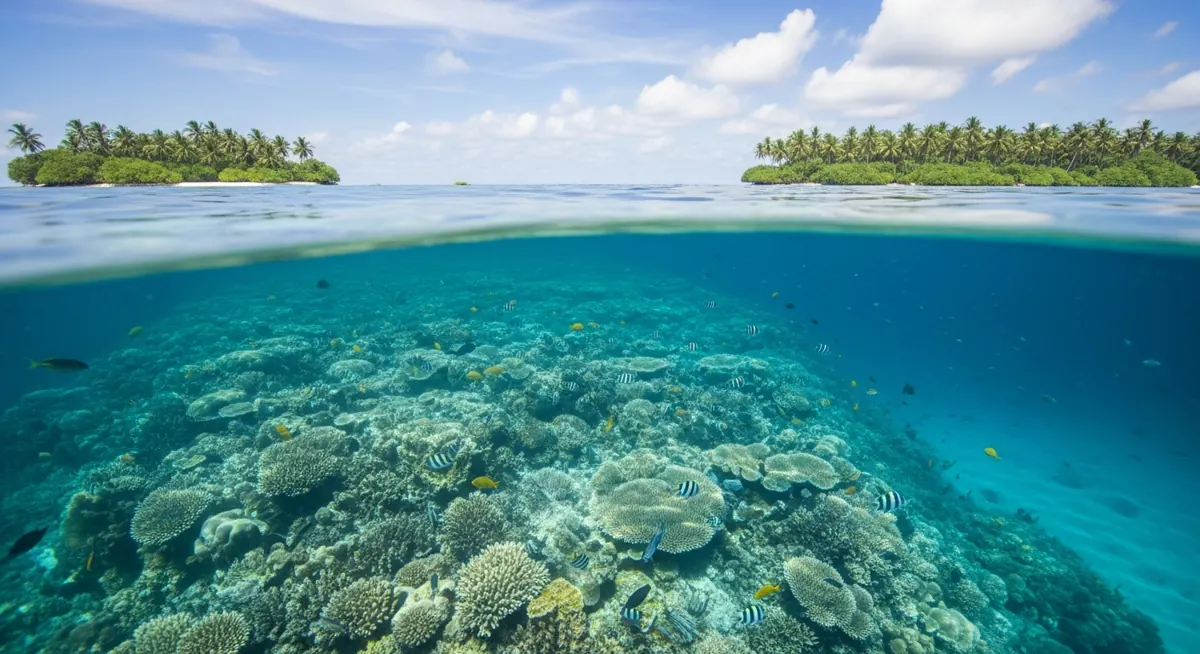
Wakatobi, located in Sulawesi, Indonesia, is renowned for its vibrant coral reefs and rich marine life. The archipelago is part of the Coral Triangle, a region celebrated for its unparalleled biodiversity. Wakatobi’s coral reefs biodiversity not only attracts diving enthusiasts but also plays a crucial role in marine conservation efforts.
The Coral Triangle: A Global Biodiversity Hotspot
The Coral Triangle encompasses parts of six countries and is home to approximately 75% of the world’s coral species. Within this region, Wakatobi stands out due to its remarkable biodiversity:
- Over 750 species of fish inhabit the reefs.
- More than 400 species of coral can be found here.
- Significant populations of mollusks, crustaceans, and other marine organisms.
These numbers underline the importance of Wakatobi’s reefs in global marine biodiversity. The area’s unique geographic and oceanographic features contribute to this rich ecosystem, making it a prime destination for divers and marine researchers alike.
Coral Species and Their Significance
Corals are essential to the health of marine ecosystems. They provide habitat and shelter for various marine organisms, contributing to the overall productivity of the ocean. Wakatobi’s reefs are home to several coral species, including:
- Acropora: Known for its fast growth and branching structures, Acropora species are critical for reef building.
- Porites: These corals form massive colonies and are vital for stabilizing reef structures.
- Faviidae: A family of corals that play a significant role in reef communities.
The diversity of coral species in Wakatobi supports a range of marine life, creating complex ecosystems that offer various niches for different organisms.
Marine Life Diversity
The rich coral reefs of Wakatobi also support a vast range of marine life, which includes:
- Fish: Diverse species such as clownfish, parrotfish, and reef sharks.
- Invertebrates: Sea turtles, starfish, and various mollusks contribute to the ecosystem’s health.
- Pelagic Species: Larger species like manta rays and whale sharks can occasionally be spotted.
This extraordinary variety is crucial for maintaining ecological balance and supporting local fisheries, which are vital for the livelihoods of nearby communities.
The Role of Conservation
With increasing pressures from climate change, overfishing, and pollution, the conservation of Wakatobi’s coral reefs is paramount. Local and international efforts focus on protecting these ecosystems through sustainable tourism practices and marine protected areas.
Some key conservation initiatives include:
- Establishing marine protected areas (MPAs) to limit fishing and other harmful activities.
- Community engagement programs promoting sustainable practices among local fishers.
- Research and monitoring programs to assess reef health and biodiversity.
These initiatives aim to ensure the long-term health of Wakatobi’s coral reefs while allowing for continued enjoyment through eco-friendly tourism.
Optimal Diving Conditions
Diving in Wakatobi offers unique experiences throughout the year, with conditions varying by season. The best months for diving typically fall between March and December, with visibility reaching up to 40 meters in some locations.
Key seasonal insights include:
- March to June: Calm waters and excellent visibility.
- July to October: Slightly cooler water temperatures; ideal for spotting larger marine life.
- November to December: Increased chances of seeing pelagic species.
Divers of all experience levels can find suitable sites and conditions, making Wakatobi an inclusive destination for underwater exploration.
Traveling to Wakatobi
Reaching Wakatobi can be accomplished through various travel routes. Typically, travelers fly into Makassar, the capital of South Sulawesi, before taking a domestic flight to Wakatobi. From there, several luxurious liveaboard options are available to explore the reefs more extensively.
When planning a dive trip, it is essential to consider the following:
- Check availability and book in advance, especially during peak seasons.
- Consider diving packages that include accommodations and guided dives.
- Research local dive operators focused on sustainable practices.
Planning your dive adventure with a reputable provider ensures a memorable experience while supporting local conservation efforts.
How to Experience Wakatobi’s Marine Biodiversity
Dive into the vibrant underwater world of Wakatobi, where over 750 species of fish and 400 types of coral await. This destination is not only a paradise for marine enthusiasts but also a hub for conservation efforts that support sustainable tourism. Whether you are new to diving or a seasoned pro, consider the Wakatobi Dive Package for a tailored experience. To start planning your trip, check availability and discover the unique marine life that calls Wakatobi home.
Dive deeper into your plans with specific resources by visiting our faq or home page for more information.
Exploring the Diverse Dive Sites of Wakatobi
Wakatobi is celebrated for its diverse and rich marine life, making it a prime destination for both macro and wide-angle underwater photography. Among the standout sites is Roma, featuring a large bommie adorned with hard corals and frequented by schooling fish and resident turtles. Divers can expect to encounter vibrant marine life that thrives in the nutrient-rich waters.
For those interested in macro photography, The Zoo offers a slope and wall teeming with critters such as frogfish and ornate ghost pipefish. This site is a haven for photographers seeking to capture the intricate details of these elusive species. Similarly, House Reef at Wakatobi Resort provides 24/7 access to a wall and slope with exceptional macro opportunities, including the chance to spot mandarinfish at dusk.
Wide-angle enthusiasts will find Cornucopia and Blade particularly appealing. Cornucopia’s steep wall boasts a high coral cover and abundant reef fish life, providing dramatic underwater vistas. Blade, with its series of narrow knife-edge ridges, offers a unique diving experience akin to flying between underwater blades. This site is ideal for capturing the sweeping landscapes and dynamic formations that define Wakatobi’s underwater environment.
For a more sheltered dive, Teluk Maya provides a bay with reef and wall sections suitable for varied conditions, supporting both macro and wide-angle photography. Meanwhile, Table Coral City is renowned for its extensive table Acropora formations, creating a stunning backdrop for wide-angle shots filled with schooling fish.
Wakatobi’s dive sites are accessible from several islands, with Tomia being a major hub for resort-based diving. The region’s diveable conditions year-round, with water temperatures ranging from 26 to 30°C and visibility typically between 20 and 50 meters, ensure that divers can explore these vibrant reefs in comfort. Whether diving from a resort on Tomia or exploring via liveaboard, Wakatobi offers a wealth of underwater experiences that cater to a wide range of diving interests.