- Coral Garden
- House Reef
- Onemobaa
- Gorgonian Wall
- Tomia Island
- Hoga Island
- Pelagian Wreck
- Rawa Island
- Bone Rate
- Wakatobi Resort House Reef
Wakatobi is a premier dive destination located in Sulawesi, Indonesia, known for its rich marine biodiversity and vibrant coral reefs. The archipelago is part of the Coral Triangle, which offers some of the highest levels of marine species diversity on the planet. Whether you’re a novice or experienced diver, Wakatobi has something to offer for everyone. Below are the ten best dive sites in Wakatobi, each promising unique underwater experiences.
1. Coral Garden
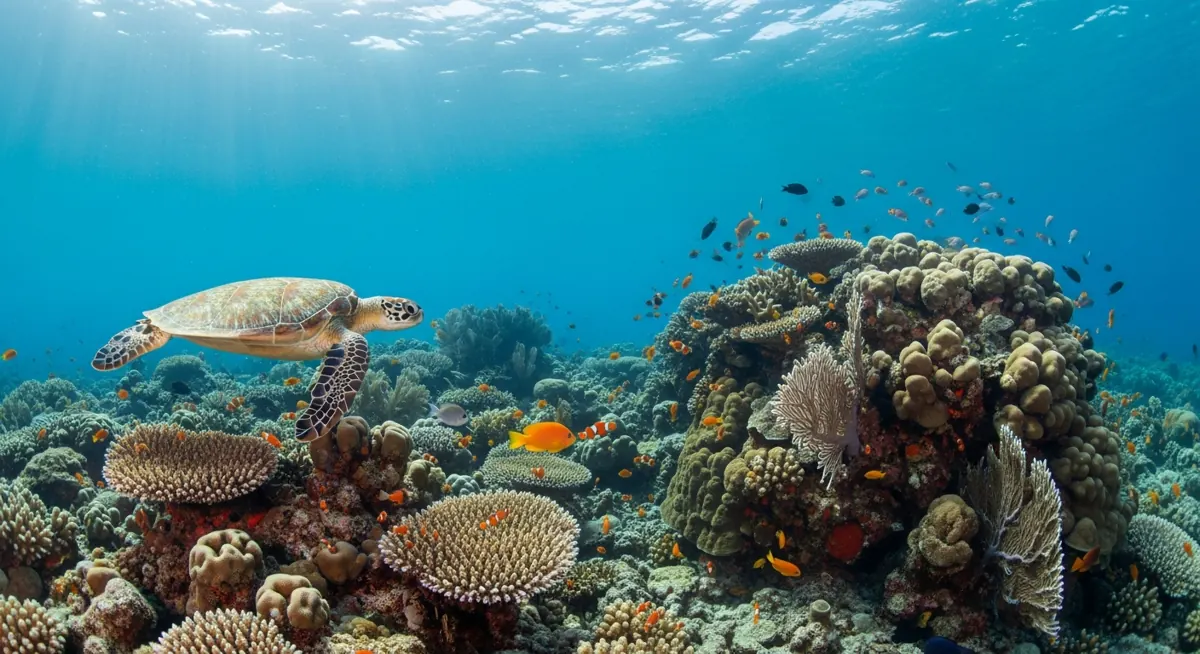
Coral Garden is celebrated for its shallow, colorful coral formations teeming with marine life. This site is perfect for novice divers and snorkelers. Expect to see:
- Vibrant coral reefs
- Clownfish and anemones
- Butterflyfish and parrotfish
Dive depths range from 5 to 20 meters, making it accessible year-round, with visibility often exceeding 20 meters. The best time to dive here is from April to December.
2. House Reef
The House Reef offers easy access directly from the shore, making it a favorite among divers staying at the Wakatobi Resort. Highlights include:
- Macro life such as nudibranchs and seahorses
- Schools of fusiliers and snapper
- Night dives for bioluminescent plankton
This site ranges from 5 to 30 meters, providing a variety of diving experiences. Night dives are particularly popular, allowing divers to discover the reef’s nocturnal inhabitants.
3. Onemobaa
Onemobaa is a drift dive site that showcases an incredible range of marine life. It’s ideal for experienced divers. Key sights include:
- Large pelagic fish including barracuda and jacks
- Various species of reef sharks
- A diverse range of corals
Dive depths here can reach up to 40 meters, with optimal conditions from April to November. Currents can be strong, so proper diving skills are necessary.
4. Gorgonian Wall
This site features striking walls adorned with gorgonian sea fans and sponges. Divers can expect to see:
- Colorful soft corals
- Crustaceans hiding in crevices
- Schools of reef fish
Dive depths range from 15 to 30 meters, making it suitable for intermediate divers. The best time to visit is during the dry season from April to December.
5. Tomia Island
Tomia Island is known for its beautiful coral gardens and excellent visibility. Here, divers can observe:
- Large schools of fish
- Beautiful coral formations
- Occasional sightings of manta rays
The depth varies from 10 to 35 meters, making it suitable for divers of all experience levels. The ideal season for diving here is from April to November.
6. Hoga Island
Hoga Island is renowned for its pristine reefs and abundant marine life. Key features include:
- Diverse coral species
- Large pelagic species
- Macro life including shrimps and crabs
This site ranges from 5 to 30 meters deep, making it accessible for divers of all levels. The best time to dive is between April and December.
7. Pelagian Wreck
The Pelagian Wreck is a popular dive site for wreck enthusiasts. Here, divers will find:
- A well-preserved wreck from the 1990s
- Surrounding marine life including snapper and grouper
- Encrusting corals and sponges on the wreck
With depths ranging from 20 to 30 meters, this site is suitable for advanced divers. The best diving conditions are typically from April to November.
8. Rawa Island
Rawa Island offers diverse dive conditions and a variety of marine life. Highlights include:
- Shallow coral gardens
- Large schools of reef fish
- Occasional sightings of turtles
Dive depths range from 5 to 25 meters, making it suitable for beginner to intermediate divers. The prime diving season is from April to December.
9. Bone Rate
Bone Rate is known for its nutrient-rich waters and large pelagic species. Key sights include:
- Schools of mackerel and trevally
- Occasional whale shark sightings
- Rich coral formations
Dive depths reach up to 40 meters, making it more suitable for experienced divers. The best time to dive here is from April to November.
10. Wakatobi Resort House Reef
This house reef is a fantastic option for divers wanting to explore at their own pace. Notable features include:
- Rich biodiversity including reef fish and invertebrates
- Easy access from the resort
- Great for both day and night dives
With depths ranging from 5 to 25 meters, it’s suitable for all levels. Year-round visibility often exceeds 20 meters, and night dives reveal a different world.
Wakatobi offers some of the best dive sites in Indonesia, catering to divers of all levels. With exceptional marine biodiversity, each dive site provides unique experiences and encounters with marine life. For those planning a diving trip to Wakatobi, consider checking our FAQ for more information on diving conditions and package options.
In summary, the Wakatobi archipelago is a top destination for divers looking to explore vibrant coral reefs and unique underwater ecosystems. Each site offers something different, ensuring that every dive is a new adventure. Whether you are an experienced diver or a beginner, the dive sites in Wakatobi promise singular experiences.
Planning specifics? See check availability or our the Definitive Wakatobi Dive Package Guide guide.
Exploring the Underwater Diversity of Wakatobi
Wakatobi, a diver’s paradise, is renowned for its exceptional underwater biodiversity and pristine coral reefs. The region offers a wide array of dive sites, each with its unique characteristics and marine life. From macro enthusiasts to wide-angle photographers, Wakatobi caters to all diving preferences with its rich underwater landscapes.
One of the standout sites is Roma, where a large bommie is enveloped by a vibrant garden of hard corals. Divers can expect to encounter schooling fish and resident turtles amidst the colorful coral formations. For those interested in macro photography, The Zoo is a must-visit. This slope and wall site is famous for its critter-rich environment, hosting frogfish and ornate ghost pipefish among other fascinating creatures.
Cornucopia offers a steep wall dive with an impressive coral cover and abundant reef fish life, making it a perfect spot for wide-angle shots. Similarly, Blade provides a thrilling experience with its narrow knife-edge ridges and pinnacles, giving divers the sensation of gliding between towering “blades” of coral.
The House Reef at Wakatobi Resort on Tomia Island is accessible 24/7, offering both wall and slope diving with outstanding macro opportunities. Here, divers can witness the captivating mandarinfish at dusk. Mari Mabuk is another site in the Tomia area, known for its rich coral slopes and schooling reef fish.
For those seeking a mix of macro and wide-angle photography, Teluk Maya (Maya Bay) provides sheltered reef and wall sections suitable for varied conditions. Meanwhile, Table Coral City is ideal for wide-angle scenes, featuring extensive table Acropora formations and schooling fish.
Wakatobi’s underwater visibility ranges from 20 to 50 meters, averaging around 35 meters, with water temperatures between 26 and 30°C. The region is diveable year-round, with the best conditions typically from March to December. While January and February are the wettest months, rainfall is minimal compared to other Indonesian regions, ensuring that diving remains largely unaffected.
Whether exploring the dramatic walls of Fan 38 or observing turtles at Turkey Beach, Wakatobi offers a diverse and enriching diving experience that appeals to both novice and seasoned divers alike.