- Coral gardens teeming with life
- Visibility up to 40 meters
- Ideal diving conditions year-round
Introduction to Wakatobi and the Roma Dive Site
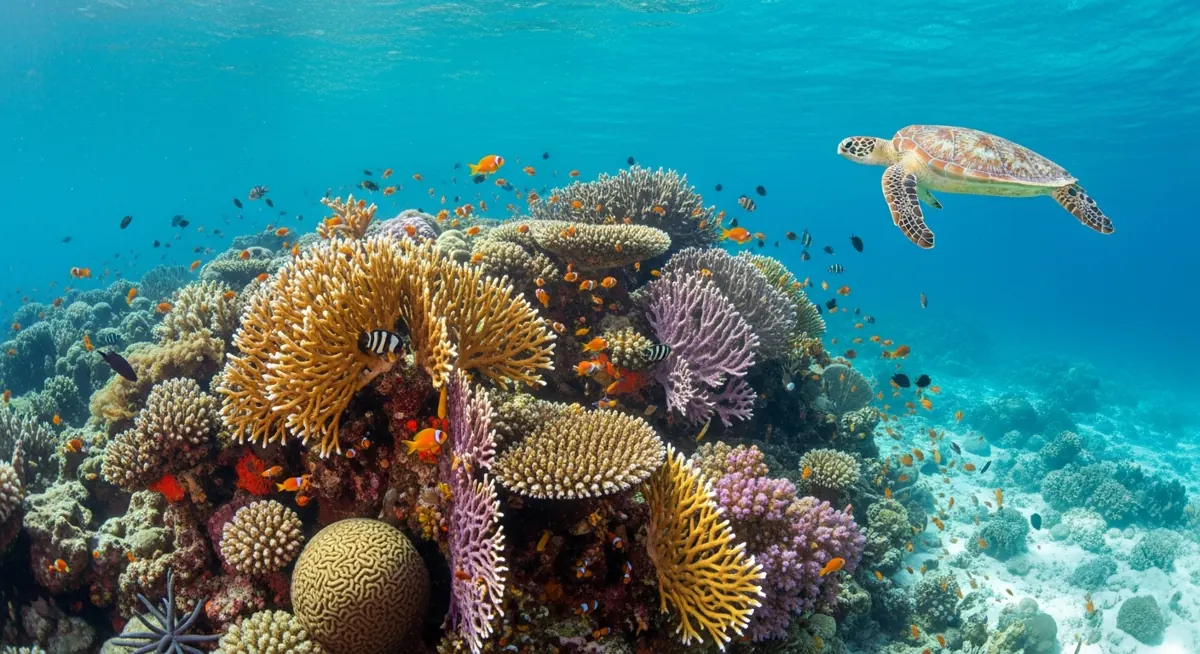
Wakatobi, located in Sulawesi, Indonesia, is renowned for its exceptional diving opportunities, with the Roma dive site being one of its most celebrated locations. The archipelago encompasses a wealth of marine biodiversity and pristine coral reefs, making it a haven for divers from around the globe. The Roma site is particularly known for its vibrant underwater landscape, rich marine life, and excellent visibility.
What to Expect at the Roma Dive Site
Located off the coast of Wakatobi’s main islands, the Roma dive site features a diverse range of coral formations and marine species. Divers can expect to encounter:
Coral Reefs
The Roma dive site is characterized by extensive coral gardens. The reefs here are composed of various coral species, including hard and soft corals, which provide shelter and food for numerous marine creatures. The healthy condition of the reefs reflects Wakatobi’s commitment to sustainable tourism.
Marine Life
At Roma, divers can experience a rich mosaic of marine life. Expect to see:
- Colorful reef fish such as clownfish, butterflyfish, and parrotfish
- Large pelagic species including barracudas and jacks
- Macro life like nudibranchs, sea slugs, and shrimp
The biodiversity is not only a thrill for seasoned divers but also offers excellent opportunities for underwater photography.
Visibility and Conditions
One of the standout features of the Roma dive site is its visibility, which can reach up to 40 meters on a good day. The warm waters, typically ranging from 26°C to 30°C (79°F to 86°F), provide comfortable diving conditions year-round. The best time for diving in Wakatobi is from April to December, when conditions are most favorable.
Diving Experience for All Levels
Whether you are a novice or an experienced diver, the Roma dive site offers a variety of diving experiences.
For Novice Divers
The shallow sections of the Roma dive site are perfect for beginners, providing a safe environment to learn and explore underwater. Guided dives are available, ensuring novices can enjoy the experience with an experienced instructor by their side.
For Experienced Divers
For more advanced divers, the deeper areas of the Roma dive site provide thrilling encounters with larger marine species and intricate underwater topography. Experienced divers can explore the drop-offs and wall dives that showcase the site’s unique geological formations.
Liveaboard Options
For those looking to maximize their diving experience, liveaboard packages are available. A liveaboard allows divers to stay on the water and explore multiple dive sites, including Roma, over several days.
- Typically includes 3-4 dives per day
- Luxurious accommodations and meals onboard
- Access to remote dive sites less frequented by day-trippers
Many liveaboard operators provide tailored experiences, catering to the specific interests and skill levels of their guests.
Travel and Logistics
Getting to Wakatobi is straightforward, with flights available to the nearest airport, Matahora Airport (Wangi-Wangi). From there, dive operators typically offer transfers to your accommodation or liveaboard vessel.
Pricing
Pricing for diving packages at the Roma site and throughout Wakatobi can vary based on the season and the level of service chosen. Generally, expect:
- Day dive packages: starting around $100 per day
- Liveaboard packages: ranging from $1,000 to $3,000 for a week-long trip
- Equipment rental: approximately $30 per day
Booking in advance can help secure the best rates and availability, especially during peak diving seasons.
Sustainable Diving Practices
Wakatobi is committed to sustainable tourism and conservation efforts. Divers are encouraged to practice responsible diving techniques, such as avoiding contact with coral and minimizing disturbance to marine life.
Operators in the area often participate in coral restoration projects and marine conservation initiatives, allowing divers to contribute positively to the environment during their visit.
Frequently Asked Questions
For those considering a trip to Wakatobi, it’s important to know what to expect. You can find answers to common questions regarding travel, diving conditions, and safety in our FAQ section.
Exploring Wakatobi’s Roma Dive Site: What You Need to Know
Wakatobi’s Roma dive site is celebrated for its vibrant coral gardens and the array of marine species that call it home. Divers often encounter colorful fish, sea turtles, and occasionally larger pelagics, making it an unforgettable experience for both novices and seasoned divers. The region’s commitment to sustainable tourism ensures that these natural wonders are preserved for future generations. For those eager to dive into this aquatic paradise, consider the flexibility of choosing between a day trip or an extended liveaboard adventure.
Ready to dive in? Check out the Wakatobi Dive Package for planning tips or learn more about Wakatobi’s conservation efforts.
Exploring Wakatobi’s Diverse Dive Sites
Wakatobi offers a range of dive sites that cater to both macro enthusiasts and wide-angle photographers, with each site presenting unique features and marine life. One of the standout locations is Roma, renowned for its large bommie surrounded by a dense garden of hard corals. Divers can expect to encounter schooling fish and resident turtles, making it a vibrant spot for underwater photography.
For those interested in macro life, The Zoo is a must-visit. This site features a slope and wall teeming with critters like frogfish and ornate ghost pipefish. It’s a paradise for macro photographers looking to capture the intricate details of these fascinating creatures. Similarly, the House Reef at Wakatobi Resort offers 24/7 access to a wall and slope rich in macro opportunities, including the elusive mandarinfish that appear at dusk.
Wide-angle enthusiasts will find Cornucopia particularly appealing. This steep wall site boasts a very high coral cover and an abundance of reef fish, perfect for capturing the dynamic interplay of light and marine life. The Blade offers a different experience with its narrow knife-edge ridges and pinnacles, giving divers the sensation of flying between “blades” while surrounded by diverse marine life.
For a more tranquil dive, Teluk Maya (Maya Bay) provides sheltered reef and wall sections suitable for both macro and wide-angle photography, adapting well to varied conditions. Meanwhile, Table Coral City is ideal for capturing wide-angle scenes of extensive table Acropora formations and schooling fish.
Access to these sites is facilitated by the main islands of Wakatobi. Tomia serves as a major dive hub, home to Wakatobi Resort and several key sites like Roma and Cornucopia. Divers can reach Wakatobi via Wangi-Wangi’s Matahora Airport, with local dive centers offering transfers to nearby dive spots. Whether you’re a macro enthusiast or a wide-angle fan, Wakatobi’s diverse dive sites promise unforgettable underwater experiences.