- Optimal visibility of up to 80 meters
- Calm sea conditions
- Avoidance of monsoon rains
The sea whispers secrets as you descend into the vibrant waters of Wakatobi. Beneath the surface, a realm of color and life unfolds, inviting divers to explore its depths.
Understanding Wakatobi’s Seasons
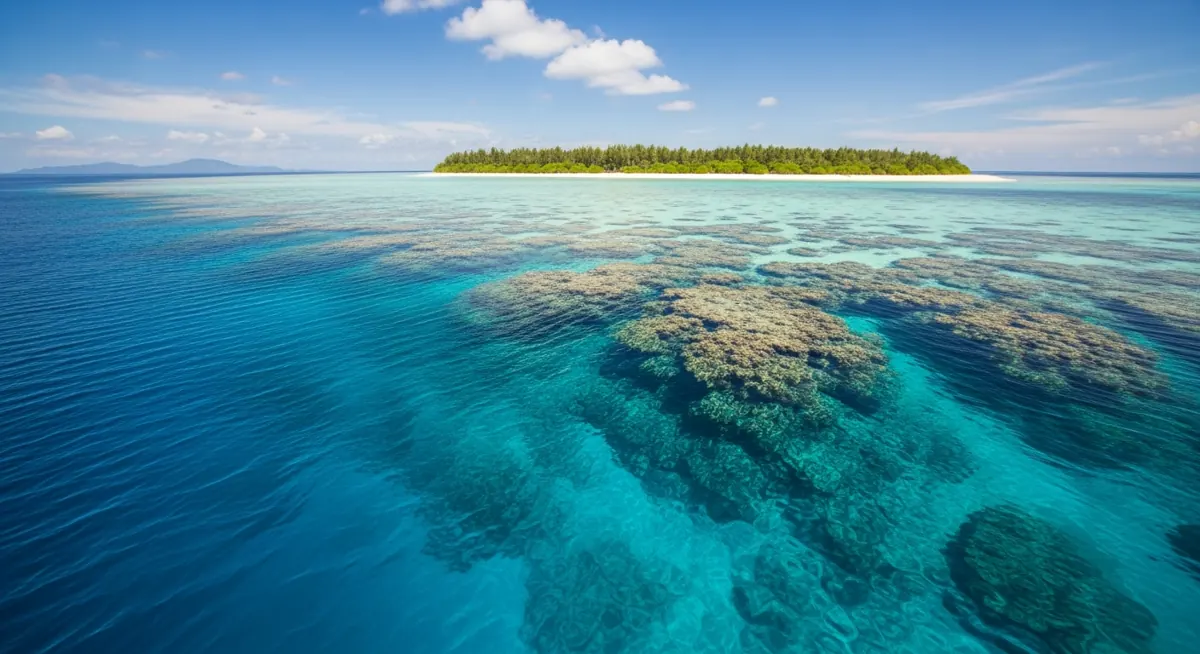
Wakatobi, part of the larger Coral Triangle, experiences a tropical climate with two main seasons: dry and wet. The dry season, from April to November, is marked by minimal rainfall and stable weather, making it ideal for diving. Monsoon rains arrive from December to March, stirring the seas and reducing visibility. This climatic pattern, influenced by the Indian Ocean Dipole, ensures that the marine biodiversity flourishes year-round. During the dry season, divers can expect water temperatures to range from 26°C to 30°C, providing comfortable conditions for exploration. The wet season, while less popular for diving, offers a different perspective, with fewer visitors and a chance to witness unique marine behaviors.
Peak Diving Conditions
April to November is the prime time for diving in Wakatobi, with water clarity reaching an impressive 80 meters. The steady trade winds keep the seas calm, allowing for uninterrupted underwater adventures. During this period, the nutrient-rich waters attract a variety of marine life, from the graceful manta rays to the elusive pygmy seahorses. The warm currents support a diverse ecosystem, contributing to Wakatobi’s status as a UNESCO Marine Biosphere Reserve since 2012. May and October are particularly favored months, offering a sweet spot of excellent conditions and fewer crowds. Divers can expect to pay between $2,000 to $4,000 for a week-long liveaboard experience during this peak season.
Dive Sites of Distinction
Wakatobi is home to several renowned dive sites that cater to divers of all skill levels. Roma, known for its spectacular coral formations and large schools of fish, is a must-visit for experienced divers. Cornucopia, famed for its vibrant pelagic life, offers thrilling encounters with barracudas and trevallies. Manta Sandy is perfect for those hoping to witness the elegance of manta rays gliding through the waters. Each site has its unique allure, promising encounters with the region’s diverse marine life. Dive operators in Wakatobi often offer specialized packages that include visits to these iconic sites, ensuring divers get the most out of their experience.
Local Insights on Monsoon Impact
The monsoon season, spanning December to March, reshapes the diving landscape in Wakatobi. Heavy rains and stronger winds can limit access to certain dive sites, and visibility can drop significantly. However, this period is not without its charms. The rains rejuvenate the islands’ terrestrial ecosystems, and fewer tourists create a more intimate diving experience. Local dive operators often offer discounted rates, around 20% less than peak season prices, enticing those willing to brave the elements. It is essential to monitor weather forecasts closely during this time, as conditions can change rapidly. For those who prioritize solitude over optimal conditions, the monsoon season presents a unique opportunity.
Hidden Windows for Diving Enthusiasts
Between the well-defined dry and wet seasons, there are brief transition periods that offer exceptional diving opportunities. Late March and early December, often referred to as the ‘shoulder months,’ provide a blend of favorable conditions with the added benefit of lower visitor numbers. These windows are celebrated for their unpredictability, where divers might encounter rare species not typically seen during peak times. Dive packages during these months can be more flexible, with prices often negotiable, rewarding those who embrace spontaneity. The local dive community, deeply familiar with these patterns, can guide enthusiasts to the best sites for a truly immersive experience.
Marine Biodiversity and Conservation
Wakatobi’s marine ecosystem is a top priority for conservation efforts, given its importance within the Coral Triangle, a region covering 6 million square kilometers. The area’s biodiversity is staggering, with over 750 coral species and 942 fish species documented. The Wakatobi National Park, established in 1996, plays a crucial role in protecting these natural resources. Conservation initiatives, such as the No-Take Zones, have been instrumental in preserving the health of the reefs. Divers visiting Wakatobi are encouraged to engage in sustainable practices, supporting efforts to maintain the area’s ecological integrity. Participation in local conservation programs can enrich the diving experience, offering insights into the delicate balance of this marine sanctuary.
Practical Travel Tips for Your Wakatobi Adventure
Preparing for a trip to Wakatobi involves more than just packing your diving gear. Accessibility is key, with the nearest airport located in Wangi-Wangi, approximately 35 kilometers from the main diving sites. Regular flights operate from Makassar, connecting divers to this remote archipelago. It’s advisable to book flights and accommodations well in advance, especially during the peak season, when demand is high. Dive packages often include transportation from the airport, ensuring a seamless transition to your underwater adventure. Travel insurance, covering diving activities, is highly recommended. While the local currency is the Indonesian Rupiah, credit cards are widely accepted at major resorts and liveaboards. Embracing local customs and engaging with the community enriches the travel experience, fostering a deeper connection to this remarkable destination.
Understanding Liveaboard Choices
Wakatobi offers a range of liveaboard options, catering to different preferences and budgets. A typical liveaboard vessel, such as the MV Pelagian, features comfortable cabins, gourmet dining, and knowledgeable dive guides. The size of these boats can vary, with capacities ranging from 12 to 20 guests, ensuring an intimate experience. Trips usually last between 7 to 10 days, allowing divers to explore multiple sites across the Wakatobi archipelago. Liveaboard packages often include meals, dive equipment, and guided excursions, providing a comprehensive diving experience. When selecting a liveaboard, consider factors such as the itinerary, onboard amenities, and the expertise of the dive team to ensure a fulfilling adventure.
Comparing Dive Packages
Choosing the right dive package in Wakatobi can enhance your diving adventure. Here’s a step-by-step guide to help you compare options:
- Define Your Priorities: Consider what aspects are most important to you, such as the number of dives, specific dive sites, or additional activities included in the package.
- Research Package Inclusions: Check whether the package includes equipment rental, meals, accommodations, and transportation. Some packages might offer exclusive perks, like private dive guides or special excursions.
- Compare Prices: Dive packages in Wakatobi can vary significantly in price. Compare packages side by side, taking note of what each includes to ensure you’re getting the best value.
- Read Reviews: Look for reviews from past guests to gauge the quality of the dive operator and the experiences offered.
- Check Availability: Popular packages can book up quickly, especially during peak season. Ensure your preferred package is available for your travel dates.
For more detailed insights, visit our Wakatobi dive package page, where you can explore various options and tailor your diving holiday to suit your needs.
Ready to explore the vibrant marine life of Wakatobi? Visit our homepage for more information on diving packages and seasonal insights. Let Wakatobi Dive Package guide you to your next adventure in one of the world’s most biodiverse marine environments.
Planning specifics? See Wakatobi Dive Package or contact.