- Location: Wakatobi Archipelago, Southeast Sulawesi, Indonesia
- Best Diving Season: March to December
- Marine Life: Over 750 species of fish and 600 species of coral
Introduction to Wakatobi National Park
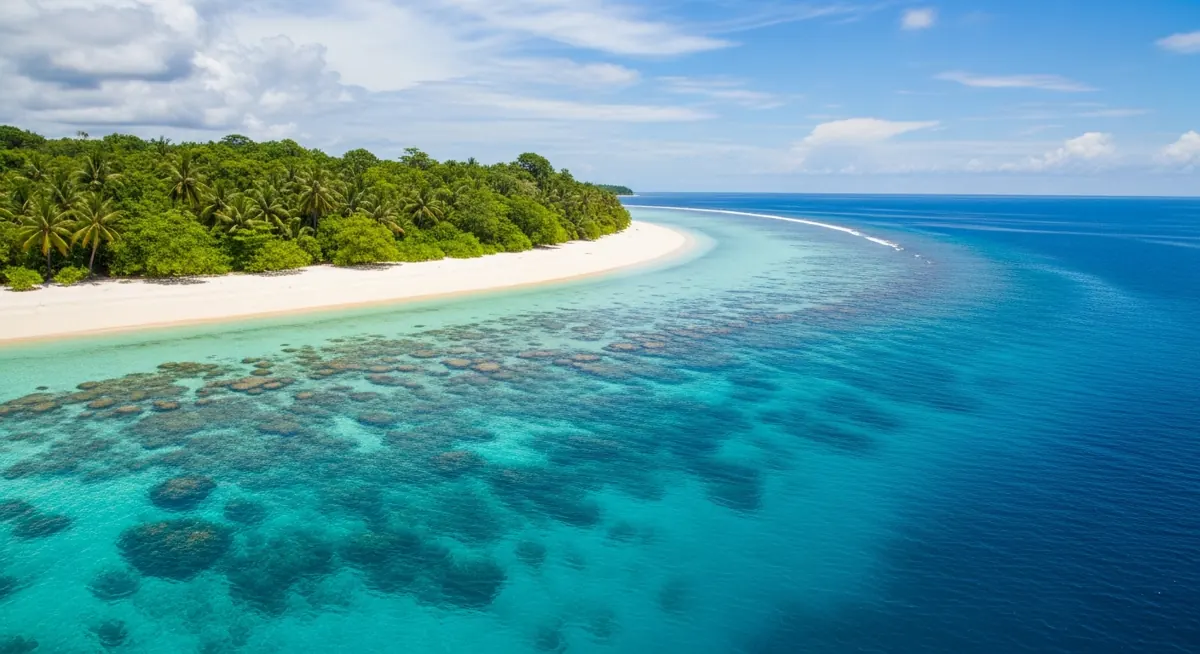
Wakatobi National Park, located in the Wakatobi Archipelago in Southeast Sulawesi, Indonesia, is a diver’s sanctuary. It encompasses a vast marine area that includes some of the richest coral reefs in the world. The park was established in 1996 and is a UNESCO Biosphere Reserve, highlighting its ecological significance.
Geography and Accessibility
Wakatobi National Park consists of four main islands: Wangi-Wangi, Kaledupa, Tomia, and Binongko. The park covers an area of approximately 1.39 million hectares, including both land and marine environments. The nearest airport is in Wangi-Wangi, which is accessible via domestic flights from major Indonesian cities like Jakarta and Bali.
Marine Biodiversity
Wakatobi is home to over 750 species of fish and 600 species of coral, making it one of the most biodiverse marine areas on the planet. Divers can expect to see:
- Colorful reef fish
- Large pelagic species like manta rays and whale sharks
- Unique macro life, including nudibranchs and pygmy seahorses
This diversity makes Wakatobi suitable for both novice and expert divers.
Diving Conditions
The best time to dive in Wakatobi is from March to December, when water temperatures range from 26°C to 30°C (79°F to 86°F). Visibility is often exceptional, ranging from 20 to 50 meters (65 to 164 feet), depending on the location and weather conditions.
Diving Sites
Wakatobi offers a variety of dive sites catering to different experience levels. Some notable sites include:
- House Reef: Ideal for beginners and night dives, teeming with marine life.
- Blue Water Mangroves: A unique ecosystem with vibrant corals and diverse fish.
- Coral Garden: Famous for its striking coral formations and abundant marine life.
- Tomia Island: Offers exciting drift dives with chances to spot larger marine animals.
Each site showcases the park’s unparalleled biodiversity and vibrant coral formations.
Liveaboard Experiences
For divers looking to maximize their experience, liveaboard trips are highly recommended. These trips allow divers to explore multiple dive sites in a single journey. Liveaboards typically offer:
- Comfortable accommodations with meals included
- Guided dives with experienced instructors
- Access to remote dive sites not reachable by day boats
Packages vary in price but generally range from $1,200 to $3,000 for a week-long trip, depending on the level of luxury and the specific itinerary.
Sustainable Diving Practices
Wakatobi National Park is committed to sustainable tourism. Divers are encouraged to follow best practices to protect the delicate marine environment. This includes:
- Avoiding touching or stepping on corals
- Using reef-safe sunscreens
- Participating in local conservation efforts when possible
These practices help preserve the park’s unique ecosystems for future generations.
Accommodation Options
Wakatobi offers a range of accommodation options to suit various budgets and preferences. Choices range from luxury resorts to budget-friendly guesthouses. Key options include:
- Wakatobi Dive Resort: A luxury resort offering all-inclusive dive packages and premium amenities.
- Homestays: Affordable and provide an authentic local experience.
- Liveaboards: Ideal for those wanting to dive extensively without returning to shore.
Choosing the right accommodation can enhance your diving experience significantly.
Travel Tips
Here are some essential travel tips for your Wakatobi trip:
- Book your diving packages in advance, especially during peak season.
- Pack light but include essential dive gear; rentals are available but may be limited.
- Stay hydrated and take precautions against sun exposure.
Being prepared will ensure a smoother and more enjoyable diving experience.
Choosing the Right Dive Package in Wakatobi
For a personalized diving experience, it’s essential to compare packages that cater to your skill level and interests. Whether you’re fascinated by vibrant coral reefs or eager to encounter diverse marine life, the right package can enhance your adventure. Tailored options ensure you make the most of Wakatobi’s underwater wonders while supporting sustainable tourism practices.
Planning specifics? See faq or home.
Exploring Wakatobi’s Diverse Dive Sites
Wakatobi National Park offers a diverse array of dive sites, each with its unique characteristics and marine life. Divers can experience both macro and wide-angle photography opportunities across the park’s varied underwater landscapes. Here’s a closer look at some of the key sites:
- Roma: This site is famous for its large bommie covered with a thriving garden of hard corals. Divers can expect to see schooling fish and resident turtles as they explore the vibrant underwater scenery.
- The Zoo: Known for its critter-rich macro life, The Zoo features a slope and wall where divers can spot frogfish, ornate ghost pipefish, and a variety of other small, fascinating creatures.
- Cornucopia: A steep wall dive, Cornucopia boasts a very high coral cover and an abundance of reef fish life, making it a favorite for those who enjoy colorful reefscapes.
- Blade: Offering a unique experience, Blade consists of narrow knife-edge ridges and pinnacles that create the sensation of flying between “blades.” This site is ideal for wide-angle photography.
- House Reef (Wakatobi Resort House Reef on Tomia): Accessible 24/7, this shore-entry site features a wall and slope with outstanding macro opportunities. It is particularly noted for mandarinfish sightings at dusk.
- Mari Mabuk: Located in the Tomia area, this reef site is known for its rich coral slopes and the presence of schooling reef fish, providing a dynamic diving experience.
- Teluk Maya (Maya Bay): With sheltered reef and wall sections, Teluk Maya is versatile for different conditions and offers both macro and wide-angle photography opportunities.
- Table Coral City: Divers can explore extensive table Acropora formations and observe schooling fish, making it perfect for capturing wide-angle scenes.
Wakatobi’s dive sites are accessible from several islands, with Tomia being a major dive hub. The combination of diverse marine life, excellent visibility averaging around 35 meters, and warm waters ranging from 26 to 30°C makes Wakatobi a year-round diving destination. Whether you’re interested in macro photography or expansive reefscapes, Wakatobi offers something for every diver.