- Optimal visibility and calm waters.
- Peak marine life activity occurs from April to August.
- Seasonal variations affect dive conditions and marine encounters.
Understanding Wakatobi’s Seasons
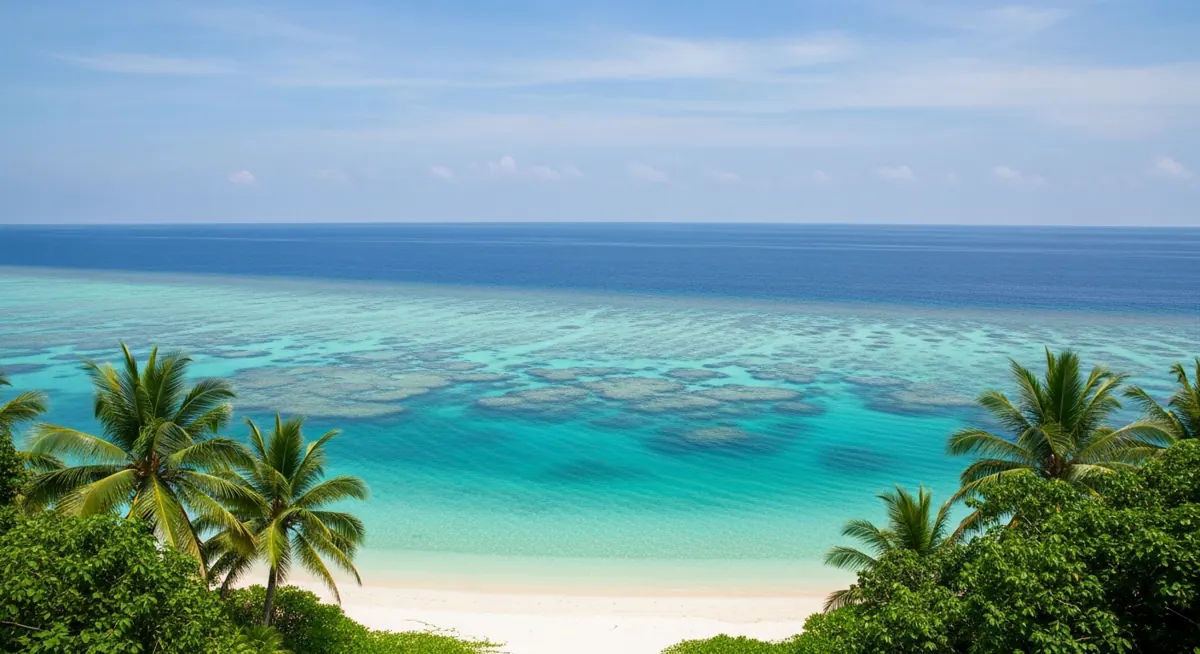
The Wakatobi archipelago, located in Southeast Sulawesi, Indonesia, experiences two primary seasons: the dry season and the wet season. Each season offers unique diving experiences, influenced by weather conditions, water temperatures, and marine life behavior. Understanding these seasonal variations is essential for planning your diving adventure.
Dry Season (March to November)
The dry season in Wakatobi is characterized by minimal rainfall, stable weather, and excellent diving conditions. Water temperatures during this period typically range from 26°C to 30°C (79°F to 86°F), making it comfortable for divers.
March to April
As the dry season kicks off, visibility improves significantly, often exceeding 30 meters (98 feet). This period is ideal for divers seeking to explore the vibrant coral reefs and abundant marine life. Notable species sighted include:
- Colorful reef fish
- Sea turtles
- Occasional sightings of manta rays
May to August
The peak diving months occur from May to August, coinciding with the highest marine activity. This period is known for:
- Increased fish spawning events
- Higher likelihood of encountering large pelagic species
- Optimal conditions for underwater photography
Diving enthusiasts can expect warm waters and vibrant underwater ecosystems. Visibility remains excellent, and the warm water temperatures make this an ideal time for divers of all levels, from novice to expert.
September to November
As the dry season begins to transition into the wet season, diving conditions remain favorable, though visibility may start to decrease slightly. September is still a good time for diving, but by November, divers may encounter more rain and choppy seas. However, marine life remains active, providing opportunities to see:
- Sharks
- Schools of barracuda
- Various nudibranchs
Wet Season (December to February)
The wet season in Wakatobi runs from December to February, characterized by higher rainfall and occasional storms. Water temperatures remain relatively constant, ranging from 25°C to 29°C (77°F to 84°F). While diving is possible during this season, conditions can be less predictable.
December to February
During the wet season, visibility may drop to around 15 to 20 meters (49 to 66 feet), and divers should be prepared for choppy waters. However, some divers prefer this season for the following reasons:
- Fewer tourists, offering a more secluded diving experience.
- Opportunities to see unique marine life that may be less active in the dry season.
- Potential for spotting larger species seeking shelter from rougher waters.
While diving conditions may vary, many dive operators continue to offer excursions, and seasoned divers may find the experience rewarding despite the challenges.
Best Dive Sites and Conditions
Wakatobi is known for its exceptional dive sites, including:
- House Reef – Ideal for night dives and macro photography.
- Roma – A site famous for its coral gardens and diverse fish populations.
- Blade – Known for its wall dives and pelagic encounters.
Each site offers unique features that can be appreciated throughout the year, but the conditions will vary based on the season. The dry season typically provides the best conditions for exploring these sites.
Planning Your Dive Trip
When planning your dive trip to Wakatobi, consider the following:
- Experience Level: Choose the season that aligns with your diving skills. Novice divers may prefer the dry season for calmer waters.
- Marine Life Interests: If specific species or behaviors are on your wishlist, plan your trip during the peak months of May through August.
- Travel Preferences: Decide if you prefer a bustling atmosphere with fellow divers or a quieter experience during the wet season.
Additionally, be sure to check with your dive operator regarding specific conditions and recommendations based on the time of your visit.
Optimal Diving Months in Wakatobi: March to November
From March to November, divers in Wakatobi can enjoy excellent underwater conditions. The peak period, from May to August, brings the clearest waters and vibrant marine life, perfect for an unforgettable diving experience. During the wet season, you might encounter fewer divers, offering a more exclusive exploration of this aquatic paradise.
Need help planning your dive adventure? Check out our FAQ section for details on diving in Wakatobi. For pricing and other specifics, visit our full pricing guide.
Exploring the Diverse Dive Sites of Wakatobi
Wakatobi is renowned for its diverse range of dive sites, each offering unique underwater experiences. Whether you are a macro enthusiast or a wide-angle photographer, Wakatobi’s dive sites cater to all preferences. The water temperature ranges from 26°C to 30°C throughout the year, providing comfortable conditions for divers. Visibility is typically excellent, ranging from 20 to 50 meters, with an average of around 35 meters, ensuring clear views of the vibrant marine life.
- Roma: This site is famed for its large bommie, surrounded by a dense garden of hard corals. Divers frequently encounter schooling fish and resident turtles, making it a delightful spot for wide-angle photography.
- The Zoo: Known for its critter-rich macro life, this slope and wall dive is a haven for spotting frogfish and ornate ghost pipefish. Macro photographers will find endless opportunities here.
- Cornucopia: Featuring a steep wall with high coral cover, this site teems with reef fish, providing a vibrant backdrop for both macro and wide-angle shots.
- Blade: Offering a thrilling experience, this site consists of narrow knife-edge ridges and pinnacles. Divers often feel as if they are flying between the “blades,” with opportunities to capture stunning wide-angle scenes.
- House Reef (Wakatobi Resort House Reef on Tomia): Easily accessible from shore, this site offers outstanding macro opportunities and the chance to see mandarinfish at dusk. With 24/7 access, it’s perfect for divers looking to explore at their own pace.
- Mari Mabuk: Known for its rich coral slopes and schooling reef fish, this site is a favorite among divers exploring the Tomia area.
- Teluk Maya (Maya Bay): With sheltered reef and wall sections, this bay is versatile, offering both macro and wide-angle opportunities in varied conditions.
- Table Coral City: This site boasts extensive table Acropora formations, ideal for capturing wide-angle images of schooling fish against a stunning coral backdrop.
Each site in Wakatobi offers something unique, making it a premier destination for divers seeking a blend of macro and wide-angle photography opportunities. Whether exploring the vibrant coral gardens or the intricate world of macro critters, Wakatobi delivers a remarkable underwater experience.