- Peak season: March to November
- Water temperature: 26°C to 30°C (79°F to 86°F)
- Visibility: Ranges from 20m (65 ft) to 40m (131 ft)
Wakatobi, located in Sulawesi, Indonesia, is a diver’s sanctuary renowned for its vibrant coral reefs and diverse marine life. The archipelago’s unique geographical features create various dive conditions throughout the year. Understanding the Wakatobi dive seasons is essential for maximizing your underwater experience.
Diving Conditions Overview
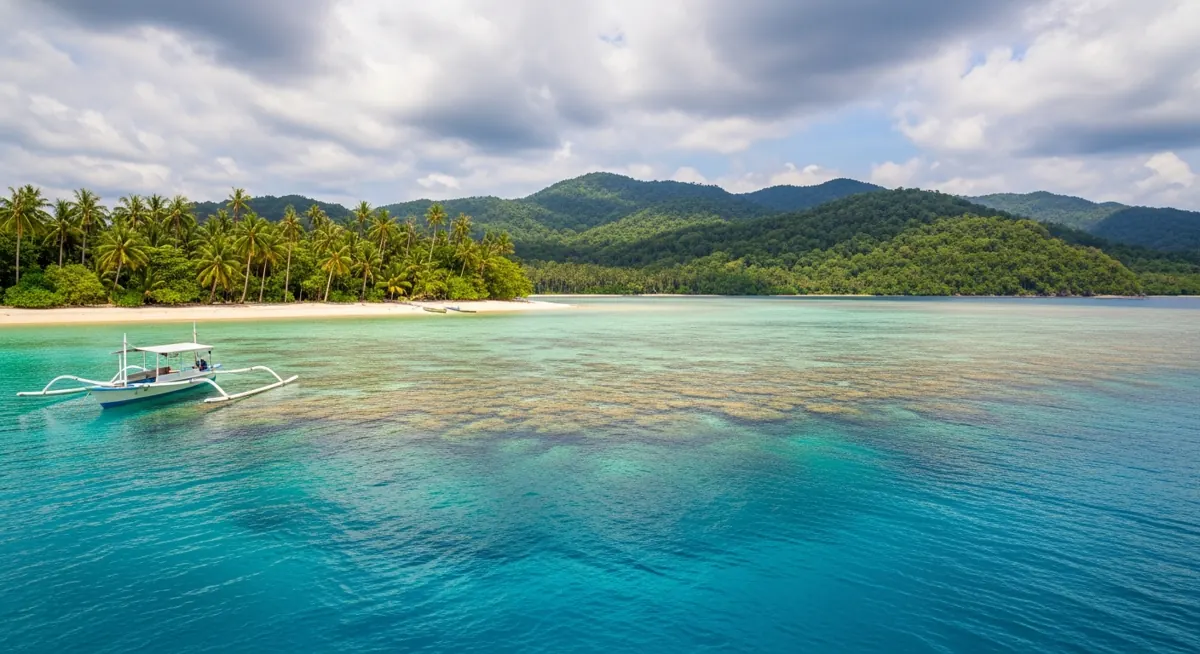
The Wakatobi dive seasons can be categorized into two main periods: the wet season and the dry season. Each season brings distinct weather patterns, water temperatures, and marine life visibility. Let’s break down these conditions to help you plan your diving trip effectively.
Wet Season (December to February)
The wet season in Wakatobi runs from December to February. During this period, you can expect occasional rain, increased humidity, and slight fluctuations in water temperature. The average temperature ranges from 26°C to 28°C (79°F to 82°F).
- Rainfall: Rain showers are common, but they often occur in short bursts, allowing for plenty of sunshine in between.
- Visibility: While visibility can be slightly reduced, it typically remains around 15m (49 ft) to 25m (82 ft).
- Marine Life: The wet season is a prime time for spotting certain species, including reef sharks and large schools of fish.
Dry Season (March to November)
The dry season, from March to November, is considered the prime diving season in Wakatobi. During this period, weather conditions are more stable, with lower humidity and minimal rainfall. Water temperatures during the dry season range from 28°C to 30°C (82°F to 86°F).
- Water Temperature: Consistently warm, making it comfortable for both short and long dives.
- Visibility: Exceptional visibility, often reaching up to 40m (131 ft), allows divers to fully appreciate the vibrant underwater ecosystem.
- Marine Life: The dry season is ideal for witnessing the full range of marine species, including turtles, manta rays, and a variety of nudibranchs.
Monthly Breakdown of Conditions
To help you choose the best time for your diving adventure, here’s a monthly breakdown of typical conditions in Wakatobi:
- March: Beginning of dry season; visibility improves; average water temperature around 28°C (82°F).
- April – June: Optimal diving conditions; water temperatures peak at 30°C (86°F); visibility often exceeds 30m (98 ft).
- July – September: Mid-dry season; still excellent visibility; marine life is abundant; ideal for underwater photography.
- October: Transition month; conditions remain good; water temperatures begin to drop slightly.
- November: End of dry season; good visibility persists; some rain begins to return.
- December – February: Wet season; expect occasional rain; visibility may decrease slightly, but still good diving opportunities exist.
Choosing Your Diving Experience
Wakatobi Dive Package offers tailored dive packages to fit various experience levels, from novice to expert divers. The diverse marine environments and conditions throughout the year mean that there is always something unique to explore.
Novice Divers
If you are a novice diver, the dry season is especially beneficial. Stable weather conditions and warm water temperatures make for a comfortable learning environment. Many dive shops offer guided tours and instruction during this season, ensuring a safe and enjoyable experience.
Intermediate to Advanced Divers
For intermediate and advanced divers, the wet season can still provide exciting opportunities. Certain dive sites may be less crowded, allowing for more personal encounters with marine life. Additionally, this season can present unique sightings that may not be as prevalent during the peak months.
Liveaboard Experiences
For those seeking an immersive diving adventure, consider a liveaboard package. These experiences allow divers to explore multiple dive sites across the archipelago while enjoying comfortable accommodations on board. Liveaboard trips are particularly popular during the dry season when conditions are ideal for extensive exploration.
Environmental Considerations
Wakatobi Dive Package is committed to promoting sustainable tourism. As divers, it is essential to respect the delicate ecosystems of the reefs. Always adhere to local guidelines, avoid touching marine life, and refrain from collecting souvenirs from the ocean.
Legal Status and Regulations
Wakatobi is part of a marine national park, and various regulations are in place to protect this unique environment. Divers are encouraged to stay informed about local laws and guidelines to ensure their activities remain compliant. For detailed information on booking and regulations, visit our booking details page.
Choosing the Best Time for Your Wakatobi Dive Adventure
The dry season in Wakatobi, from April to November, boasts clear waters and excellent visibility, ideal for capturing vibrant underwater photos. For those interested in unique encounters, the wet season from December to March offers a chance to witness spawning events and fewer crowds. Both seasons bring distinct experiences, catering to diverse diving preferences.
Planning specifics? See faq or Wakatobi Dive Package.
Exploring Wakatobi’s Signature Dive Sites
Wakatobi offers a diverse array of dive sites, each with unique characteristics that cater to both macro enthusiasts and wide-angle photographers. Among these, Roma stands out with its large bommie adorned with a vibrant garden of hard corals, attracting schooling fish and resident turtles. This site is perfect for divers looking to capture the bustling life of a healthy coral reef.
The Zoo is a macro photographer’s paradise, featuring a slope and wall teeming with critter-rich life. Here, divers can find elusive frogfish and ornate ghost pipefish, making it an ideal location for those interested in capturing detailed shots of these fascinating creatures. Similarly, Cornucopia offers a steep wall with an exceptionally high coral cover, where prolific reef fish life thrives, providing ample opportunities for wide-angle photography.
For those seeking a more dramatic underwater landscape, Blade presents a series of narrow knife-edge ridges and pinnacles, giving divers the sensation of flying between “blades.” This site is particularly appealing for adventurous divers looking to experience the thrill of navigating through these natural formations.
The House Reef at Wakatobi Resort on Tomia is accessible 24/7 and offers a shore-entry wall and slope with outstanding macro life. Mandarinfish sightings at dusk are a highlight, providing a magical experience for divers at the end of the day. Mari Mabuk, another site in the Tomia area, is known for its rich coral slopes and abundant schooling reef fish, making it a popular choice for divers staying at local resorts.
Teluk Maya, or Maya Bay, provides a sheltered environment with both reef and wall sections, suitable for a variety of conditions and photography styles. Meanwhile, Table Coral City is renowned for its extensive formations of table Acropora, creating stunning wide-angle scenes with schooling fish weaving through the corals.
Additional sites like Fan 38, with its sheer wall and large gorgonian fans, and Turkey Beach, noted for its turtle population, round out the diverse offerings of Wakatobi. Each site provides unique opportunities for divers to explore the vibrant underwater world of this renowned diving destination.