- Warmest months: October to March with temperatures around 30°C.
- Coolest months: June to September, averaging 26°C.
- Consistent temperatures provide year-round diving opportunities.
Introduction to Wakatobi Diving
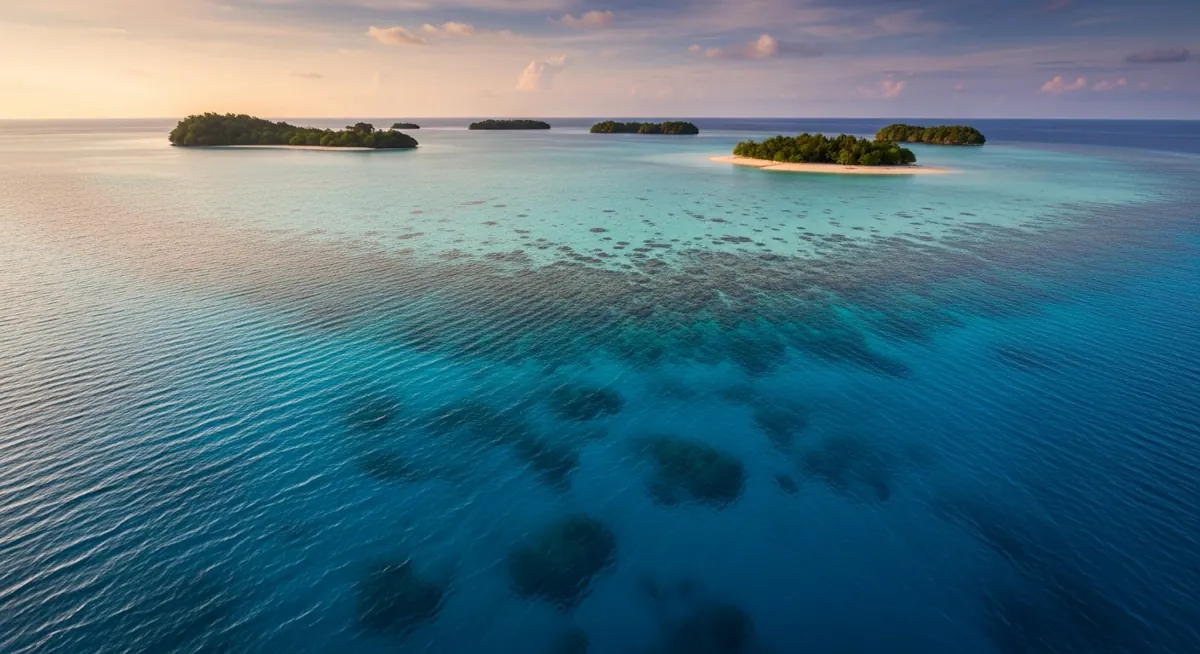
Wakatobi, located in the Southeast Sulawesi province of Indonesia, is renowned for its exceptional diving conditions, vibrant coral reefs, and diverse marine life. With a focus on sustainable tourism, Wakatobi Dive Package offers tailored diving experiences for everyone, from novice to expert divers. Understanding the water temperatures throughout the year is crucial for planning your diving adventure.
Monthly Water Temperatures
Wakatobi experiences relatively stable water temperatures, which significantly influence divers’ experiences. Below is a breakdown of the monthly water temperatures, providing insights into what divers can expect when planning their trips.
January
Average water temperature: 29°C
January is part of the wet season, yet the warm water temperature makes it a comfortable month for diving. Visibility remains excellent, and marine life is abundant.
February
Average water temperature: 29°C
Similar to January, February offers warm waters and fantastic visibility. It’s a great time for divers to encounter pelagic species, as they are more active during these months.
March
Average water temperature: 30°C
March marks the transition into the dry season. The water temperature peaks, providing ideal conditions for divers. Expect lively coral reefs and diverse marine life.
April
Average water temperature: 30°C
April continues the warm trend. The clarity of the water is outstanding, and divers can explore various dive sites with healthy coral ecosystems.
May
Average water temperature: 29°C
As the dry season progresses, May remains warm. The marine environment is teeming with life, making it one of the best months for underwater photography.
June
Average water temperature: 27°C
June marks the beginning of the cooler months. Although temperatures dip slightly, diving remains enjoyable. The cooler waters attract different marine species, enhancing the diving experience.
July
Average water temperature: 26°C
In July, water temperatures reach their lowest point. While cooler, visibility is still good, and the diversity of marine life remains strong. Divers may encounter species that prefer cooler waters.
August
Average water temperature: 26°C
August continues the trend of cooler temperatures. It’s a great time for macro photography, as critters become more prominent in the coral gardens.
September
Average water temperature: 27°C
As September rolls in, temperatures begin to rise slightly. The underwater visibility improves, and divers can enjoy a rich variety of marine habitats.
October
Average water temperature: 29°C
October marks a significant warming trend as the dry season approaches its end. This is an excellent month for divers, with vibrant marine life and clear waters.
November
Average water temperature: 29°C
November offers warm water and excellent visibility, making it a popular month for divers. Expect to see a variety of fish, sharks, and other marine life.
December
Average water temperature: 29°C
The year ends with consistent warm water temperatures. December is another excellent month for diving, with abundant marine life and striking coral formations.
Understanding Seasonal Variations
The water temperatures in Wakatobi have a direct correlation with the regional climate patterns, which can affect diving conditions. Here are some key seasonal insights:
- Wet Season (December to March): Characterized by warm water temperatures, this season also brings rain. However, diving conditions remain favorable due to good visibility and vibrant marine life.
- Dry Season (April to November): This period usually features the warmest water temperatures, optimal visibility, and reduced rainfall. It’s the most popular time for divers.
- Transitional Months (June to September): The water cools down slightly, but divers can still enjoy a rich underwater experience with a different variety of marine species.
Maximizing Your Dive Experience in Wakatobi
To make the most of your diving adventure in Wakatobi, align your trip with your personal diving desires. The region offers diverse marine life, which varies with the temperature changes from 26°C to 30°C throughout the year. Booking during peak season, from April to November, ensures optimal conditions and the chance to encounter a variety of sea creatures. Consider exploring liveaboard options for a comprehensive diving journey across multiple sites in the archipelago, enhancing your underwater exploration.
For additional planning resources, visit our faq page for common queries or contact us directly.
Exploring Wakatobi’s Diverse Dive Sites
Wakatobi offers a remarkable array of dive sites, each with its unique features and marine life, making it a favored destination for divers seeking both macro and wide-angle photography opportunities. With water temperatures ranging from 26 to 30°C and visibility averaging about 35 meters, divers can enjoy the vibrant underwater world year-round.
- Roma: This site features a large bommie adorned with a dense garden of hard corals. Divers can encounter schooling fish and resident turtles, making it an excellent choice for those interested in capturing wide-angle shots of bustling marine life.
- The Zoo: Known for its critter-rich macro life, The Zoo’s slope and wall are home to frogfish and ornate ghost pipefish. It’s a haven for macro photographers looking to capture the intricate details of Wakatobi’s smaller marine inhabitants.
- Cornucopia: With its steep wall and high coral cover, Cornucopia offers a spectacular display of reef fish life. The site is ideal for both macro and wide-angle photography, providing opportunities to capture the vibrant coral and diverse fish species.
- Blade: This site features narrow knife-edge ridges and pinnacles that create a thrilling experience akin to flying between blades. The dramatic topography is perfect for wide-angle shots, highlighting the unique geological formations.
- House Reef (Wakatobi Resort House Reef on Tomia): Accessible 24/7, this shore-entry site offers outstanding macro opportunities, including mandarinfish sightings at dusk. It’s an excellent spot for divers to explore at their own pace, capturing the intricate beauty of the reef’s smaller residents.
- Mari Mabuk: Known for its rich coral slopes and schooling reef fish, Mari Mabuk is a great location for capturing the dynamic interactions of marine life against a backdrop of vibrant coral gardens.
- Teluk Maya (Maya Bay): This sheltered bay offers varied conditions with both macro and wide-angle opportunities. The combination of reef and wall sections provides a diverse range of subjects for photographers.
- Table Coral City: Featuring extensive table Acropora formations, this site is ideal for wide-angle photography. The large coral structures create stunning compositions, complemented by the presence of schooling fish.
Each site in Wakatobi presents its own set of challenges and rewards, offering divers a comprehensive experience of Indonesia’s rich marine biodiversity. Whether you’re capturing the vibrant coral landscapes or the intricate details of macro life, Wakatobi’s dive sites promise unforgettable underwater adventures.