Blade Dive Site Overview
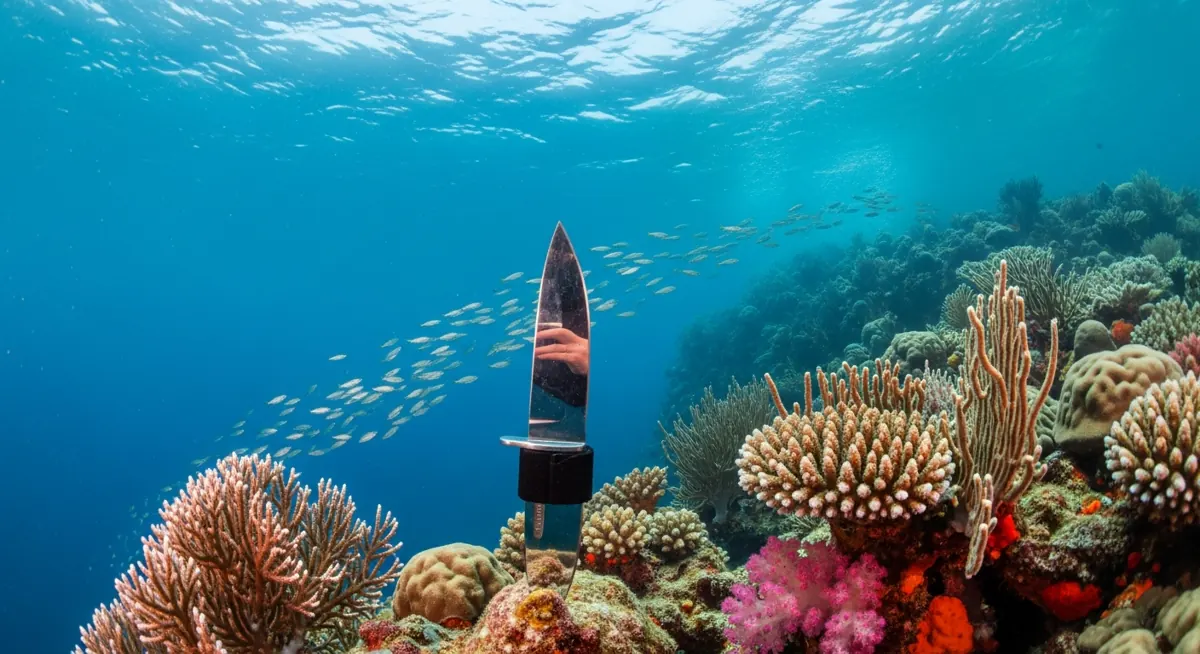
Located in the Wakatobi archipelago of Sulawesi, Indonesia, the Blade dive site presents an incredible opportunity for divers to explore a rich underwater ecosystem. With its diverse marine life and striking coral formations, Blade is a must-visit for anyone seeking a unique diving experience.
Conditions at Blade Dive Site
The diving conditions at Blade are generally favorable, making it accessible for divers of all skill levels. Here are key factors to consider:
- Visibility: Visibility typically ranges from 20 to 40 meters, depending on the season and weather conditions.
- Water Temperature: The water temperature averages between 26°C to 30°C (79°F to 86°F), providing comfortable diving experiences.
- Current: Mild to moderate currents are common, making it an exciting dive for those who enjoy drift diving.
Depth Profile
The depth at the Blade dive site varies, offering a range of diving experiences:
- Shallow Areas: The site starts at around 10 meters, ideal for novice divers and those wishing to explore the vibrant reef life.
- Deep Sections: Depths can reach up to 40 meters, attracting experienced divers interested in deeper explorations.
Highlights of Blade Dive Site
Blade dive site is renowned for its impressive marine biodiversity and unique underwater features. Here are some highlights:
- Coral Diversity: The site offers an range of hard and soft corals, providing habitat for numerous marine species.
- Marine Life: Divers can encounter a variety of fish species, including butterflyfish, parrotfish, and anemonefish, along with larger pelagics such as barracudas and reef sharks.
- Underwater Topography: The site features dramatic underwater topography, including steep walls, overhangs, and swim-throughs, enhancing the diving experience.
Best Time to Dive
While diving is possible year-round, the best conditions are typically found between April and December. During this period, visibility is at its peak, and marine life is abundant. Here’s a month-by-month breakdown:
- April to June: Ideal for clear visibility and warm water temperatures. This is the start of the dry season.
- July to September: Peak diving season with optimal marine life activity. Expect higher tourist traffic.
- October to December: Great conditions continue, with less crowded dive sites as the season transitions.
Travel Tips for Divers
When planning a dive trip to the Blade site, consider the following tips to enhance your experience:
- Equipment: Bring your own gear if possible, but rental equipment is available. Ensure all equipment is in good condition.
- Certification: Make sure you have the appropriate diving certification for the depth and conditions.
- Local Regulations: Familiarize yourself with local diving regulations to ensure compliance and promote sustainable tourism practices.
Booking Your Dive Package
At Wakatobi Dive Package, we offer curated dive packages tailored to meet the needs of divers at all levels. Our packages include:
- Accommodation in luxury resorts or liveaboard options.
- Guided dive tours at Blade and other prime dive sites in Wakatobi.
- All necessary diving equipment and training for beginners.
With competitive pricing and a focus on sustainable tourism, we ensure that your diving experience is both rewarding and environmentally responsible. For more information or to tailor your dive package, visit our FAQ page.
Planning a Dive at Wakatobi’s Blade Site
The Blade dive site offers an unforgettable experience with its unique underwater seascapes and abundant marine life. Divers can explore vibrant coral formations and encounter species such as pygmy seahorses and reef sharks. For those interested in organizing their trip, check availability or contact Wakatobi Dive Package for detailed arrangements.
Exploring Wakatobi’s Diverse Dive Sites
Wakatobi offers a remarkable array of dive sites, each with unique features that cater to both macro and wide-angle photography enthusiasts. Among the most notable sites is Roma, renowned for its large bommie teeming with a vibrant garden of hard corals, where divers can often encounter schooling fish and resident turtles. The site provides an enchanting experience for those interested in observing marine life in its natural habitat.
For macro enthusiasts, The Zoo is a must-visit. This slope and wall dive is famous for its rich collection of critters, including frogfish and ornate ghost pipefish. The diversity of small marine life here offers endless opportunities for macro photography, making it a favorite among divers seeking to capture the intricate details of Wakatobi’s underwater world.
Another site that stands out for its coral coverage is Cornucopia. This steep wall dive is characterized by a very high coral cover and an abundance of reef fish. The vibrant marine ecosystem here is ideal for wide-angle photography, allowing divers to capture the stunning complexity of coral formations and the bustling life that inhabits them.
For those seeking a unique diving experience, Blade offers a series of narrow knife-edge ridges and pinnacles that create the sensation of flying between “blades.” This site is not only a visual spectacle but also provides a thrilling diving adventure, with depths that cater to both novice and experienced divers.
The House Reef at Wakatobi Resort is another highlight, offering shore-entry access to a wall and slope rich in macro life. Known for its mandarinfish sightings at dusk, it provides 24/7 access, allowing divers to explore its wonders at their own pace. With its combination of macro opportunities and ease of access, the House Reef is a perfect spot for divers to hone their skills and enjoy the beauty of Wakatobi’s marine environment.
With water temperatures ranging from 26 to 30°C and visibility averaging around 35 meters, Wakatobi’s dive sites offer ideal conditions for exploring and photographing the diverse marine life that thrives in this region. Whether you’re a macro enthusiast or a wide-angle photographer, Wakatobi’s dive sites promise an unforgettable underwater experience.
In practice, plan Blade as a drift along the ridge crests in the 12-25 metre band, where the current is brisk enough to bring in fusiliers and jacks but the structure gives you shelter to pause and shoot. A reef hook is rarely needed, but good buoyancy and a safety sausage are worth having when the easterly winds of June to October stir the surface. With water at 26-30C and visibility commonly 20-50 metres, a 3mm wetsuit suits most divers, and an early-slack entry gives the calmest conditions for photography along the knife-edge walls.