– House Reef: Ideal for all levels with easy access.
– Coral Garden: Famous for soft corals and macro life.
– Pelagian Wreck: A essential for wreck divers.
Introduction to Wakatobi Dive Sites
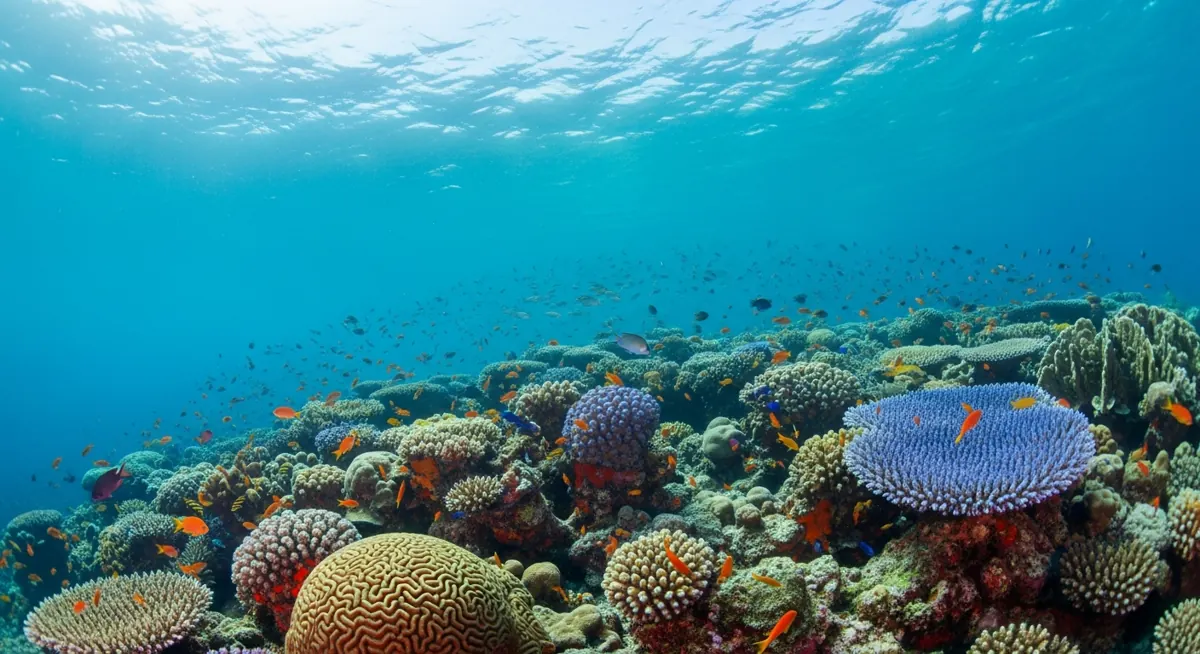
The Wakatobi archipelago, located in Southeast Sulawesi, Indonesia, is a premier destination for divers. With its crystal-clear waters and rich biodiversity, it features a range of dive sites suitable for everyone from beginners to experienced divers. In this overview, we will explore the top dive sites in Wakatobi, highlighting their unique characteristics and what divers can expect.
1. House Reef
The House Reef is often the first dive site experienced by divers in Wakatobi. Easily accessible from the resort, it is suitable for divers of all levels. The reef features both sandy patches and coral formations, providing a diverse habitat for marine life.
- Depth: 5 to 30 meters
- Marine Life: Includes clownfish, moray eels, and various types of corals.
- Best Time to Dive: Year-round, with visibility typically between 20 to 30 meters.
This site is perfect for practicing skills, exploring the underwater landscape, and enjoying the vibrant marine ecosystem.
2. Coral Garden
Coral Garden is known for its sweeping range of soft corals and is particularly popular among photographers. The site features gentle slopes and vibrant coral formations, attracting a variety of marine life.
- Depth: 10 to 25 meters
- Marine Life: Home to a rich diversity of nudibranchs, reef fish, and vibrant corals.
- Best Time to Dive: April to November for optimal visibility.
Coral Garden is ideal for wide-angle photography and observing the interactions among marine species.
3. Pelagian Wreck
The Pelagian Wreck is a renowned dive site for those interested in wreck diving. The wreck of this fishing vessel lies at a depth that allows for easy exploration while still presenting challenges for experienced divers.
- Depth: 30 to 40 meters
- Marine Life: Often frequented by large schools of fish, jacks, and barracudas.
- Best Time to Dive: May to October, when conditions are most favorable.
This dive site offers a unique combination of history and marine life, making it a favorite among seasoned divers.
4. Tomia Island
Tomia Island is another highlight in the Wakatobi region. Known for its striking underwater landscapes, divers can explore walls, slopes, and unique rock formations. The site is rich in biodiversity and offers spectacular visibility.
- Depth: 5 to 40 meters
- Marine Life: Includes sea turtles, reef sharks, and a variety of tropical fish.
- Best Time to Dive: March to November for the best conditions.
Tomia Island provides a variety of dive opportunities, catering to a wide range of interests.
5. Binongko Island
Binongko Island offers an exciting dive experience with its rugged terrain and diverse marine life. The site features steep walls and overhangs, providing a habitat for larger marine species.
- Depth: 15 to 50 meters
- Marine Life: Look for large pelagic species, including manta rays and whale sharks.
- Best Time to Dive: September to December for maximum visibility.
For divers seeking adventure and the chance to encounter larger marine creatures, Binongko Island is a must-visit destination.
6. Hoga Island
Hoga Island is famous for its pristine coral reefs and is a favorite spot for underwater photography. The shallow waters are home to an abundance of marine life and colorful corals.
- Depth: 5 to 25 meters
- Marine Life: Features vibrant reef fish, anemones, and various crustaceans.
- Best Time to Dive: April to November, with good visibility.
This site is ideal for novice divers and those looking to capture striking underwater images.
7. Wakatobi National Park
The entire Wakatobi area is part of the Wakatobi National Park, which encompasses a range of dive sites with varying conditions. This protected area is crucial for conservation efforts and sustainable tourism.
- Depth: Varies by site
- Marine Life: Home to over 750 species of fish and 400 species of coral.
- Best Time to Dive: Year-round, although conditions vary by season.
Diving in the national park allows divers to experience the full diversity of marine life while contributing to conservation efforts.
Exploring the Diverse Marine Life at Wakatobi’s Dive Sites
Wakatobi’s dive sites cater to a wide range of divers, offering unique underwater landscapes and rich marine biodiversity that make it a top diving destination in Indonesia. Divers can choose from various tailored packages with Wakatobi Dive Package to fully immerse themselves in the extraordinary underwater experiences available in this region.
For those planning to visit, it’s crucial to utilize the seasonal insights provided by Wakatobi Dive Package to maximize diving conditions. Combining vibrant coral reefs and sustainable tourism, Wakatobi promises an unparalleled diving adventure. Planning specifics can be found in the faq or the wakatobi Dive Package Pricing & Cost Guide.
Exploring the Unique Dive Sites of Wakatobi
Wakatobi offers a diverse range of dive sites, each with its own unique characteristics that cater to both macro enthusiasts and wide-angle photographers. Among the standout sites is Roma, a large bommie bustling with hard corals, schooling fish, and resident turtles, making it a haven for those seeking vibrant marine life. For macro lovers, The Zoo is a must-visit, with its critter-rich slopes and walls home to frogfish and ornate ghost pipefish.
For divers who appreciate steep walls adorned with coral, Cornucopia offers a high coral cover and a profusion of reef fish, providing ample opportunities for wide-angle photography. Meanwhile, the Blade site presents a thrilling experience with its narrow, knife-edge ridges and pinnacles, giving divers the sensation of flying between underwater blades.
The House Reef at Wakatobi Resort on Tomia is a convenient option for divers, offering shore-entry access to a wall and slope teeming with macro life, including the elusive mandarinfish at dusk. This site is accessible 24/7, allowing for flexible dive schedules.
Another notable site is Mari Mabuk, known for its rich coral slopes and schooling reef fish, providing an ideal setting for capturing the vibrant underwater life of Wakatobi. Teluk Maya, or Maya Bay, offers sheltered reef and wall sections, making it suitable for both macro and wide-angle photography depending on the conditions.
Table Coral City is a favorite for wide-angle photographers, featuring extensive table Acropora formations and schooling fish that create stunning underwater landscapes. For those interested in larger marine life, sites like Turkey Beach are known for frequent turtle sightings, while Fan 38 boasts sheer walls with large gorgonian fans.
With water temperatures ranging from 26-30°C and visibility averaging around 35 meters, Wakatobi provides excellent conditions for diving year-round. The diverse topography and rich marine life make it a premier destination for divers seeking both macro and wide-angle photographic opportunities.